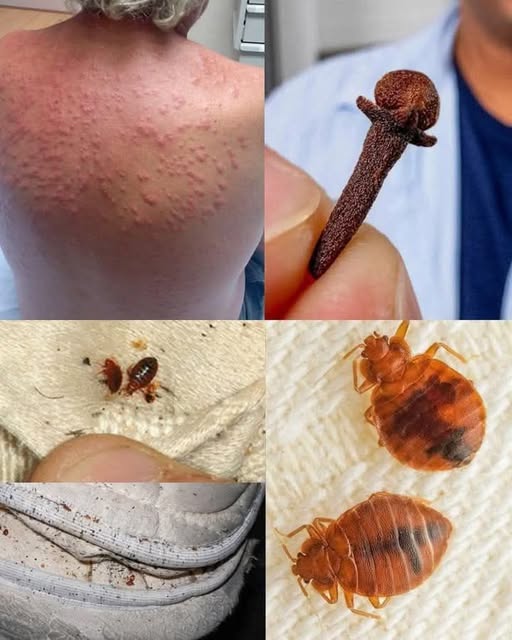
Most people don’t realize it, but the signs of an infestation often appear on your skin long before you ever see the insect itself. And the creature behind it? Smaller, faster, and much harder to find than you think.
Keep reading — this is one of those things you do not want to ignore.
What You’re Really Dealing With
bed bugs (Cimex lectularius).
Bed bugs are small, flat, parasitic insects that feed solely on the blood of people and animals.
Before you scroll past that line, here’s where it gets unsettling: these insects can go unnoticed for weeks, silently feeding at night, leaving only subtle clues behind.
What They Look Like — And Why You Rarely See Them
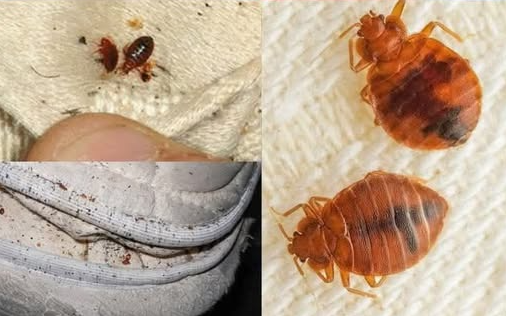
They are typically mahogany-brown in color, oval-shaped, and can range from 1mm to 7mm in length.
That size variation is exactly why they’re such masters at hiding. The tiniest ones are almost invisible to the naked eye, while larger ones can flatten themselves into the thinnest cracks.
The First Warning Sign: Your Skin
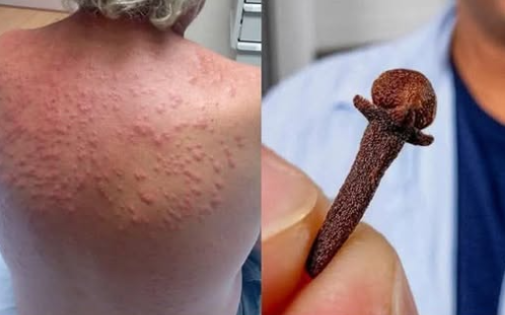
Bites often appear as a red rash or hives, typically on exposed skin, and symptoms may not appear until days after the bites have occurred.
This delay is what tricks people — you might think it’s allergies, mosquitoes, or irritation… while the real cause is still crawling nearby.
Where They Hide (and Why You Might Miss Them)
These pests are found across the globe and often hide in cracks and crevices, mattresses, and furniture near where people sleep.
They prefer tight, dark spaces: behind headboards, inside sockets, under seams, inside zippers — anywhere you never think to check.
The Hard Truth: They’re Not Easy to Get Rid Of
Control can be difficult due to their ability to hide in protected areas and potential resistance to insecticides, often requiring professional pest control.
DIY methods often fail because bed bugs sense danger and retreat deeper into hiding spots. Professionals often need multiple treatments because these insects are incredibly resilient.