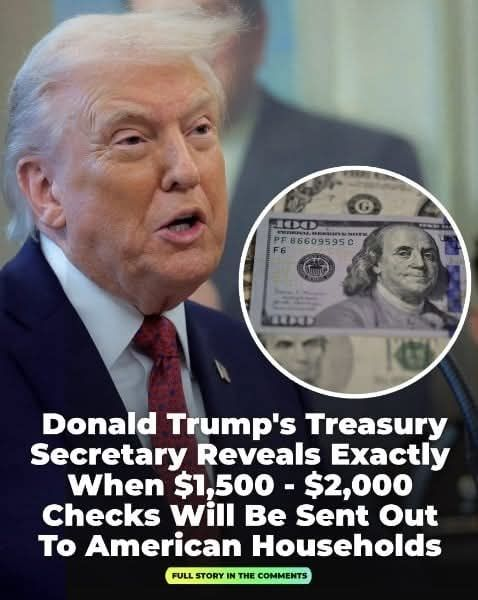
A new proposal shared directly with supporters has ignited intense debate across the political and economic spectrum.
Former President Donald Trump outlined a bold plan that, if implemented, would send direct payments to millions of Americans—funded not by taxes, but by tariffs.
🚨 Trump Announces Nationwide Dividend Plan
Former President Donald Trump outlined a bold plan on Truth Social to fund a nationwide dividend through tariffs. He promised:
“A dividend of at least $2,000 per person (excluding high-income earners) will be paid to everyone.”
The announcement immediately drew attention for both its scale and its unconventional funding mechanism.
Supporters hailed it as a populist move that puts money directly back into Americans’ pockets, while critics questioned the feasibility and long-term economic impact.
💰 How the Plan Works
Trump’s strategy is straightforward: tax foreign imports, generate revenue, and return some of it to Americans.
By imposing tariffs on imported goods, the federal government would collect additional revenue—revenue Trump says could be redistributed directly to U.S. residents in the form of a dividend.
The idea echoes past stimulus-style payments but with a key distinction: the money would come from foreign trade penalties rather than domestic borrowing or taxation.
🗣️ Trump Defends Tariffs — Forcefully
“People that are against tariffs are FOOLS! We are now the richest, most respected country in the world, with almost no inflation, and a record stock market price.” He argued:
The statement underscores Trump’s long-standing belief that tariffs strengthen the U.S. economy by protecting domestic industries and generating leverage in international trade negotiations.
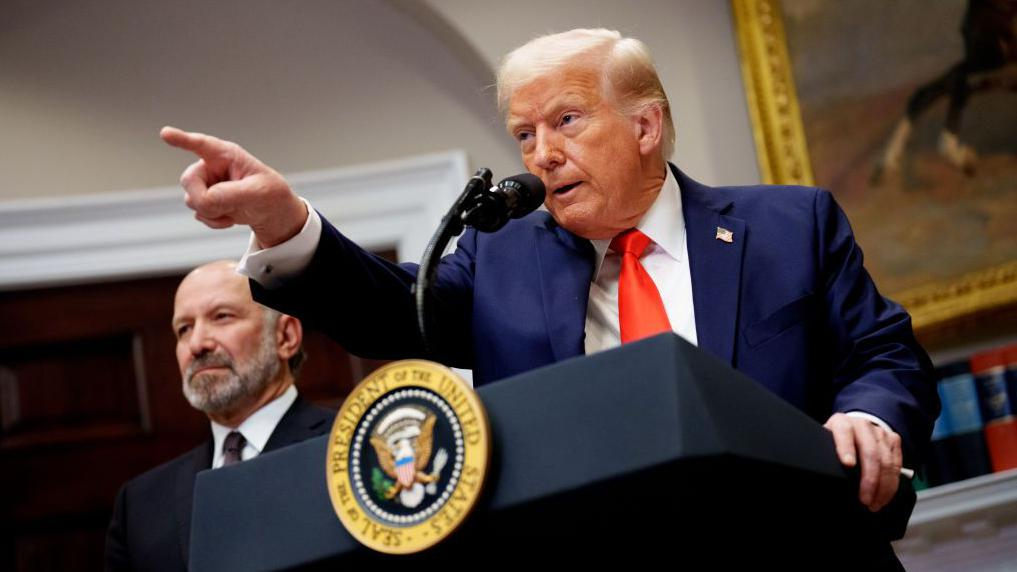
❓ Big Questions Still Remain
Additionally, how the money would be distributed remains unclear. Options include tax rebates or healthcare credits, but no official framework exists yet.
Without a detailed rollout plan, economists and policy analysts are left speculating about logistics, eligibility enforcement, and potential downstream effects on prices and trade relationships.
For now, the proposal exists as a bold vision rather than a finalized policy—one that is already shaping economic conversations nationwide.
🌎 Why This Proposal Is Drawing So Much Attention
Whether praised as innovative or criticized as risky, the idea of a tariff-funded dividend has struck a nerve at a time when voters remain highly sensitive to inflation, cost of living pressures, and economic fairness.
As discussion continues, many Americans are left asking the same question:
Could tariffs really pay Americans directly—and if so, at what cost?