
When Payment Could Occur
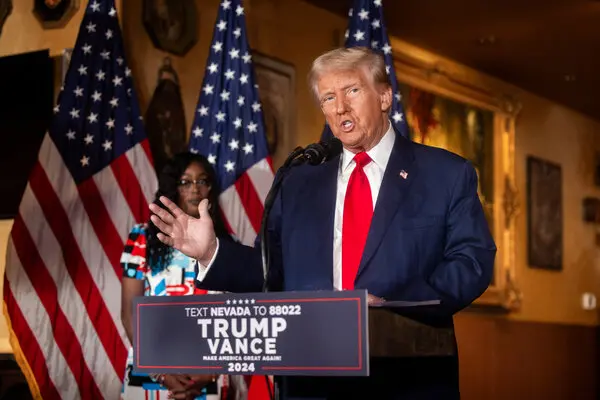
Former President Donald Trump outlined a bold plan on Truth Social to fund a nationwide dividend through tariffs. He promised:
“A dividend of at least $2,000 per person (excluding high-income earners) will be paid to everyone.”
The statement immediately grabbed attention, spreading rapidly across social media and igniting conversations among supporters and critics alike. For many Americans still feeling the pressure of rising costs, the idea of a direct payment sounded both familiar — and controversial.
But how realistic is it?
A New Approach to Government Payments
Unlike traditional stimulus checks funded through government borrowing, Trump framed this proposal as something fundamentally different.
According to him, Americans wouldn’t be paying the bill — foreign nations would.
That claim sits at the heart of his plan.
How the Plan Works
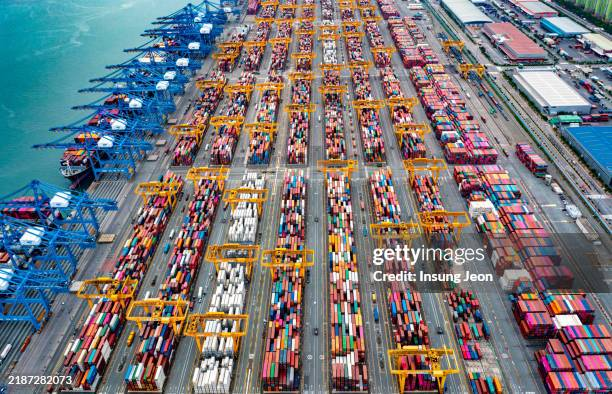
Trump’s strategy is straightforward: tax foreign imports, generate revenue, and return some of it to Americans.
People that are against tariffs are FOOLS! We are now the richest, most respected country in the world, with almost no inflation, and a record stock market price.” He argued:
The idea echoes Trump’s long-standing belief that tariffs strengthen the U.S. economy by forcing other countries to shoulder more of the financial burden.
Supporters see it as a bold redistribution of global trade profits back to American households. Critics, however, warn that tariffs often lead to higher consumer prices — meaning Americans could indirectly pay the cost themselves.
The Biggest Question Still Unanswered
While the promise of a $2,000 dividend made headlines, the details behind it remain unclear.
Additionally, how the money would be distributed remains unclear. Options include tax rebates or healthcare credits, but no official framework exists yet.
That lack of structure has raised eyebrows across the political spectrum. Economists, lawmakers, and everyday citizens are all asking the same thing:
👉 When would the payment actually happen — and who would qualify?
Why This Proposal Is So Divisive
To supporters, the plan represents:
- Economic nationalism
- A rejection of global dependency
- Direct financial relief without increasing national debt
To opponents, it raises concerns about:
- Trade retaliation from other countries
- Rising prices on everyday goods
- The absence of legislative and logistical clarity
As with many Trump-era proposals, the idea has become as much about political identity as economic policy.
Ending: Promise or Political Pressure?
For now, the $2,000 dividend remains a proposal — powerful in messaging, but unfinished in execution.
No timeline has been announced.
No payment system has been confirmed.
And no legislation has been introduced to turn the promise into policy.
Yet the conversation it sparked is very real.
As the 2026 political landscape begins to take shape, proposals like this may serve a larger purpose: testing public appetite, drawing battle lines, and keeping economic relief at the center of national debate.
Whether this plan becomes reality or fades into campaign rhetoric, one thing is certain — the idea of who should pay, and who should benefit, is far from settled.
And Americans are watching closely.