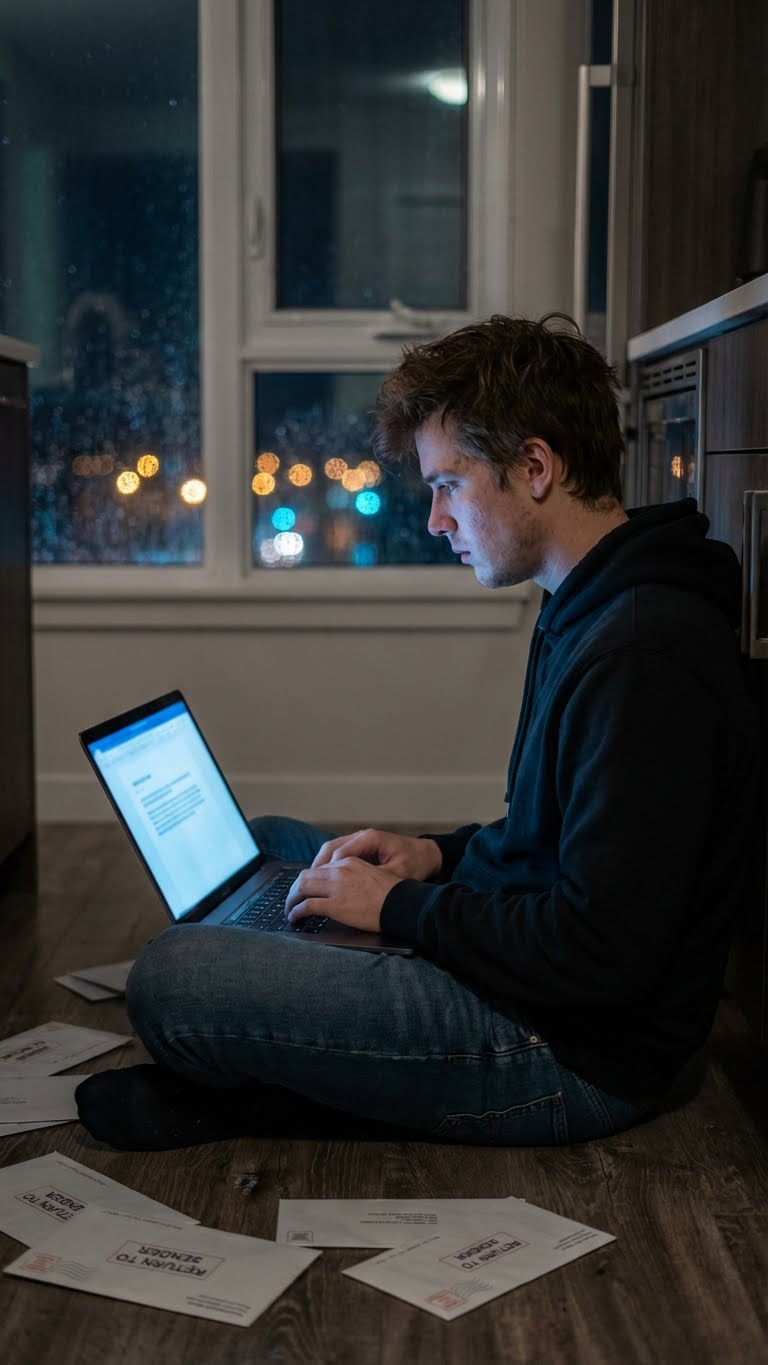
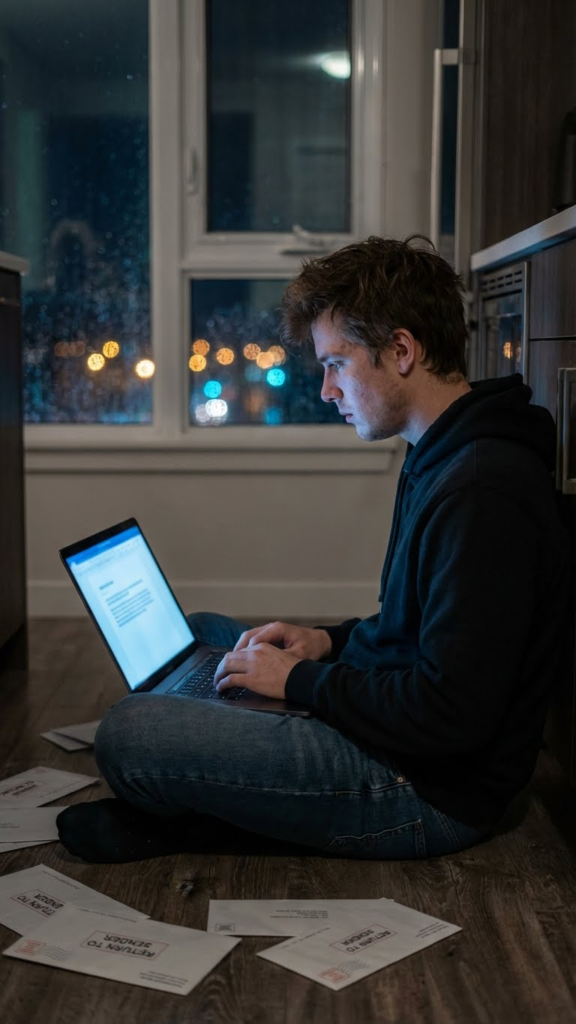
I didn’t know my name had been erased until the mail stopped coming.
That sounds dramatic, I know, but it’s the truth. One day I was still getting alumni letters from my private high school, reminders from my college about an unpaid parking fine, and the occasional credit card offer addressed to me. The next week, everything was suddenly returned to sender.
At first I thought it was a glitch in the postal system. Maybe someone typed my apartment number wrong. Maybe my landlord messed something up. I didn’t imagine—couldn’t imagine—that the reason was that, legally, I no longer existed under the name I’d carried my entire life.
I was 22 years old. I had just graduated from college. I was working part-time at a tech startup while applying for graduate programs. My life wasn’t perfect, but it was normal. I thought my biggest problem was student loans.
I had no idea my father had just decided to erase me.
Growing Up “Perfect”
If you looked at my childhood from the outside, you’d think I won the lottery at birth.
My dad was a household name in business magazines. He built a company from a garage to a global brand. He owned houses in three states, a yacht, and more cars than I could name as a kid. Teachers treated me like royalty. Other parents whispered when he showed up at school fundraisers.
But inside our mansion, I felt like a guest. Not a son.
My mother tried to shield me from that truth. She was warm, patient, endlessly apologetic for things that weren’t her fault. She made excuses for him.
“He’s just busy.”
“He didn’t mean it like that.”
“He shows love in his own way.”
But “his own way” never included birthdays unless a publicist was present. Never included school plays. Never included simple things like asking how my day was.
He wasn’t cruel in obvious ways. He just wasn’t there.
When I was 12, I asked him if we could throw a baseball in the backyard. He looked at me like I’d suggested something impossible.
“Get a trainer,” he said, already walking away.
The Cracks Start Showing
Things got worse when I turned 18.
Most kids get a card, maybe a car if they’re lucky. I got a meeting with his legal team.
I was told—very politely—that my trust fund would be “restructured.” I wouldn’t receive direct access anymore. Everything would be managed through conditions. Performance. Behavior. Image.
I didn’t even know what that meant until the rules started arriving.
I was expected to attend certain social events. To avoid certain friends. To maintain a certain appearance online. They didn’t call it control. They called it brand protection.
I pushed back once.
I posted a photo with a college friend who had a visible tattoo. Nothing offensive. Just two guys laughing at a diner. The next morning, my debit card stopped working.
No warning. No conversation.
Just silence.
The Day My Name Disappeared
Six months after graduation, my mom called me, crying.
“I don’t understand what’s happening,” she said. “They won’t let me see the paperwork.”
Paperwork for what?
She didn’t know. She’d only been told there was “a legal correction.”
Two weeks later, my bank froze my account. My student loan portal couldn’t verify my identity. When I tried to log into my college alumni portal, it said my name didn’t match any records.
That’s when I went to the courthouse.
I stood in line for two hours, thinking this was some mistake I could fix with a form and a fee.
The clerk typed my old last name into the system. Nothing.
She tried again.
“Sir,” she said carefully, “there is no record of you under that name.”
I laughed. Out of disbelief.
“Try my father’s name,” I said.
She paused. Her fingers stopped on the keyboard.
Then she looked at me—not with confusion, but with something closer to pity.
“There was a sealed order issued last month,” she said. “Your surname was legally changed.”
To what?
She told me.
It wasn’t his.
It wasn’t my mother’s either.
It was a name I’d never heard before.
The Call
I called him that night. For the first time in years, he actually answered.
“You shouldn’t be making this difficult,” he said, like I was the one causing trouble.
“What did you do to my name?” I asked.
A pause.
Then: “You were never supposed to carry mine.”
My legs felt weak. I sat down on the kitchen floor.
“What are you talking about?”
“You don’t fit the narrative anymore,” he replied. “It’s better for everyone.”
Everyone except me.
He didn’t deny changing it. He didn’t apologize. He didn’t even sound angry. Just… bored.
When I asked if I was still his son, he said something I will never forget.
“That’s complicated.”
Everything Starts Falling Apart
Over the next week, everything in my life started unraveling.
My lease couldn’t be renewed because my ID didn’t match my old records. My health insurance flagged me for “identity inconsistency.” Even my workplace couldn’t keep me on payroll until things were sorted out.
I had become a technical problem.
Not a person.
I went to my mother’s house, hoping she could explain. She looked exhausted, smaller somehow.
“They told me it was for your protection,” she said quietly. “That it was temporary.”
She didn’t believe it. I could see it in her eyes.
We sat at the dining table where we’d once done homework together, and for the first time in my life, she admitted something she’d never said out loud:
“I think he’s ashamed of you.”
What Hurt the Most
It wasn’t the money. Or the status. Or even the name.
It was the way it was done.
No conversation. No warning. No chance to defend myself.
Just a silent decision by someone who had always believed he owned everything—including me.
I realized then that growing up rich doesn’t mean growing up loved.
Sometimes it just means growing up replaceable.
Moral Reflection
People love to say money solves everything. But when power replaces compassion, it stops being a tool and becomes a weapon.
Families aren’t contracts. Children aren’t assets. And names aren’t brands to discard when they no longer look good on paper.
If this story teaches anything, it’s this:
Real legacy isn’t built in courtrooms or boardrooms — it’s built in how you treat the people who trust you most.
And when you forget that, no amount of success can hide the damage you leave behind.
Part 2 will reveal what I uncovered about my real identity — and why my father was so desperate to erase it.