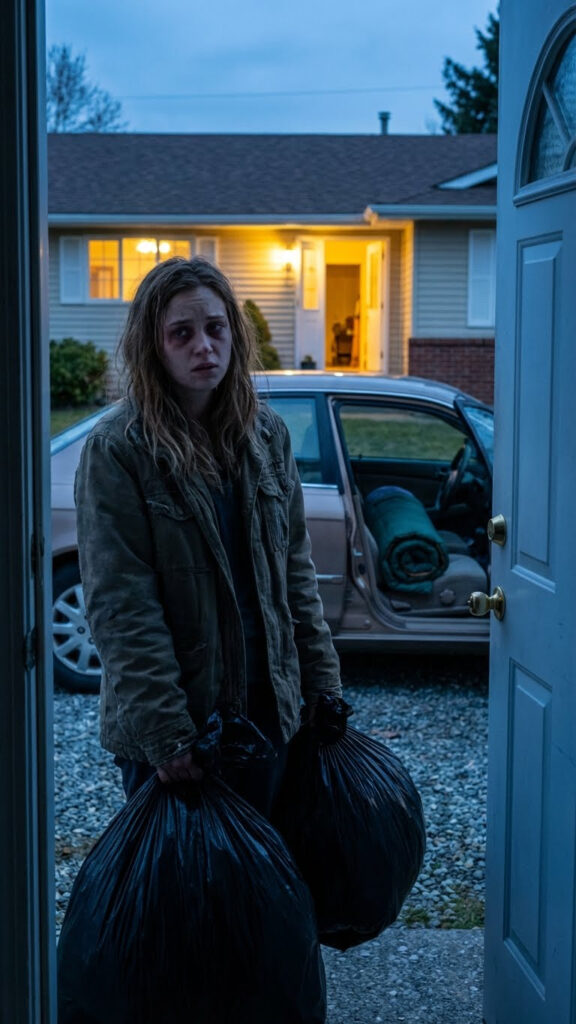
I was supposed to be grateful.
That’s the word my aunt used as she stood in my childhood living room, arms folded, telling me I had thirty days to leave the house I’d grown up in.
“Most people don’t get anything when someone dies,” she said. “You should be thankful.”
She was right about one thing: most people don’t inherit everything.
But she was wrong about who actually owned it.
The Call That Changed Everything
My grandfather Frank was the only adult in my family who ever treated me like a real person.
When my parents split, when my mom spiraled into pills, when my dad vanished into a second family across the state, Grandpa Frank took me in without asking questions. I slept in the spare room with the creaky window and the view of his vegetable garden. He taught me how to fix leaky faucets, how to balance a checkbook, how to make spaghetti that didn’t come out of a jar.
He died on a Wednesday morning in April.
The lawyer called me that afternoon.
“I’m sorry for your loss,” he said, voice measured, professional. “Your grandfather’s will names you as the sole beneficiary.”
I didn’t understand what he meant.
“Sole… what?”
“The house, his savings, the investment accounts. All of it.”
I sat on the floor and cried until my legs went numb.
The Family Didn’t Cry With Me
The will reading happened the next Monday.
My aunt Carol arrived first, already red-faced like she’d been rehearsing her anger all weekend. My uncle Dave followed with his wife, who kept whispering numbers under her breath like she was doing mental math. My mother showed up late, wearing sunglasses indoors.
The lawyer cleared his throat and began reading.
Every word landed like a dropped plate.
The house on Oakridge Lane: mine.
The retirement accounts: mine.
The savings bonds: mine.
When he finished, the room was silent in a way I’d never experienced before — not grief, not shock. Calculation.
Carol was the first to speak.
“This is a mistake.”
“He Wouldn’t Have Done This”
They didn’t ask if I was okay.
They asked how I manipulated him.
My uncle accused me of isolating Grandpa. My mom claimed he was “confused” in his later years. Someone suggested the lawyer must have messed up the paperwork.
No one mentioned that I’d been the one driving him to dialysis twice a week.
No one mentioned that I’d moved back in after college to take care of him.
Instead, they looked at me like I’d robbed them.
The House I Thought Was Safe
I’d been living there already.
It made sense at the time — Grandpa was sick, and I had flexible hours at work. After he passed, I didn’t even think about moving. It was still my home.
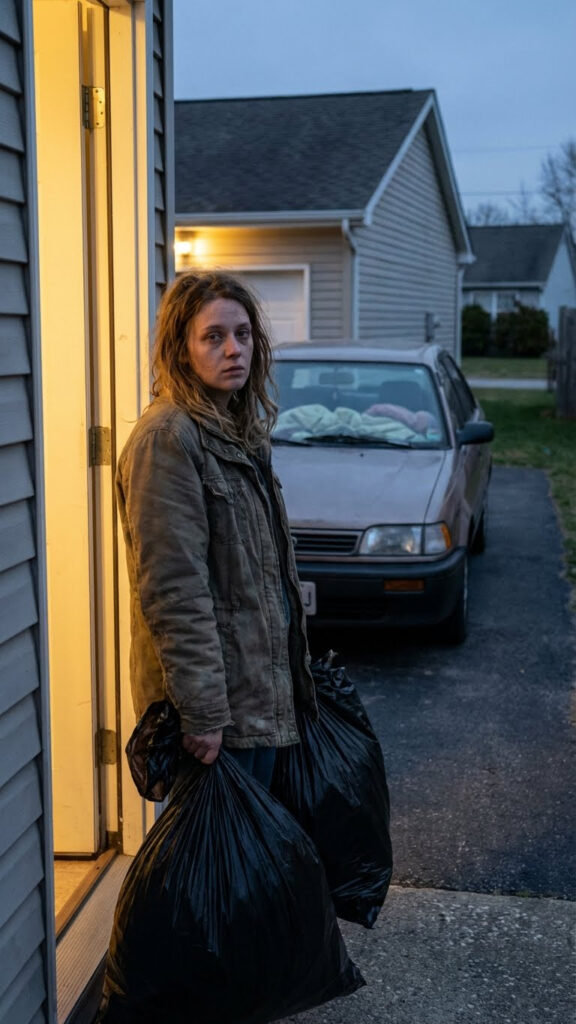
I was wrong.
Within two days, my aunt had changed the Wi-Fi password. My uncle removed the spare keys from the kitchen drawer. My mom stopped returning my calls.
They began referring to the house as “our family property.”
Not mine.
The First Threat
Carol cornered me in the hallway one night while I was taking out the trash.
“You can’t seriously think this is going to stand,” she said. “This isn’t what Frank wanted.”
“It’s literally what his will says,” I replied.
She leaned closer. “We’ll fight it.”
When They Decided I Wasn’t Family Anymore
Three days later, I came home from work to find my bedroom door locked.
All my things — clothes, books, photo albums — were stacked in garbage bags in the garage.
My aunt handed me a typed notice.
30-Day Vacate.
“You’re not staying here and pretending you’re better than us,” she said. “Not after what you did.”
I slept in my car that night.
The Lawyer’s Smile
I called Grandpa’s lawyer the next morning, shaking so badly I had to sit on the curb.
“They’re trying to evict me,” I said.
There was a pause.
Then he chuckled.
“I was wondering how long it would take.”
The Clause They Didn’t Read
He told me there was a clause attached to the will — not read aloud during the meeting.
A private stipulation.
My grandfather had anticipated this.
He’d seen how they treated me my whole life. The favoritism. The manipulation. The entitlement.
And he had left me something they would never forgive.
Something that would only activate once they tried to take the house from me.
Why I Haven’t Told Them Yet
I could end this today.
I could walk into the living room and drop the document on the table and watch their faces change.
But I won’t.
Not yet.
Because the moment I reveal the real clause, everything they think they know about Grandpa — about me — about this inheritance — will shatter.
And when that happens…
They won’t be kicking me out anymore.
They’ll be begging me to let them stay.
Part 2 coming next.