A Sudden Surge That Has Caught Global Attention
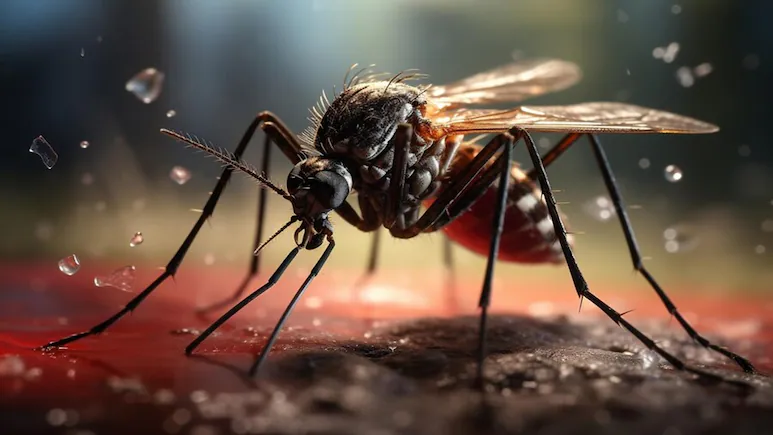
A severe chikungunya outbreak has been reported in China with more than 7000 cases, and the numbers have quickly sparked international concern. While chikungunya is rarely fatal, the long-lasting complications — especially chronic joint pain — make this outbreak particularly alarming.
And here’s where it gets serious: the virus spreads through infected mosquitoes, meaning rapid community transmission is possible if precautions slip.
Before diving deeper, let’s look at what’s happening on the ground — and why global health authorities are issuing urgent travel updates.
Where Is the Outbreak Worst?
More than 7000 cases of chikungunya have been reported in China so far.
Guangdong Province: The Epicenter
Guangdong province has reported the maximum number of cases, making it the hardest-hit region.
This spike has pushed international agencies to respond.
CDC Issues Travel Alert
The US Centres for Disease Control and Prevention (CDC) has issued a Level 2 (Practice Enhanced Precautions) travel alert for all Americans travelling to China.
The CDC has also recommended vaccination for travellers visiting areas experiencing a chikungunya outbreak.
Smooth transition → Now let’s understand exactly what this virus is and how it spreads.
What Is Chikungunya & How Does It Spread?
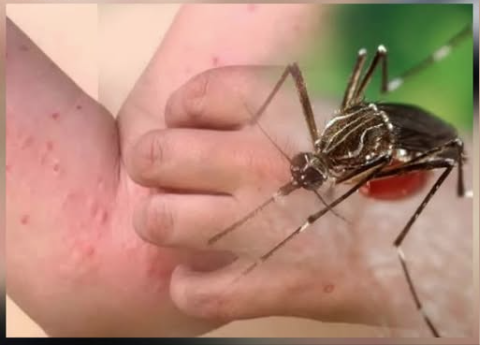
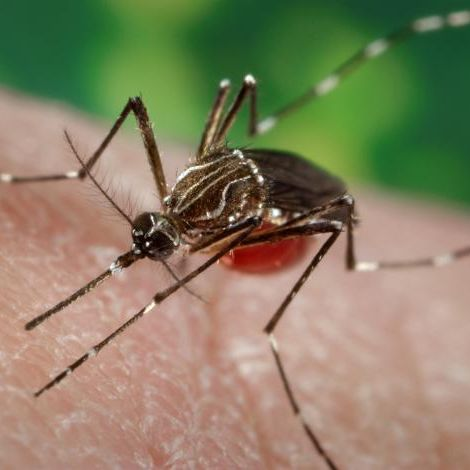
For the unversed, chikungunya is a viral vector-borne disease transmitted to humans through the bite of infected mosquitoes — primarily:
- Aedes aegypti
- Aedes albopictus
These are the same mosquito species known for dengue and Zika transmission.
The virus does not spread from person to person through close contact, but blood transmission may be possible.
This brings us to what most readers want to know immediately…
What Are the Symptoms of Chikungunya?
The disease is characterised by a sudden onset of fever and severe joint pain.
Its incubation period typically ranges from 3–7 days.
Here’s the full symptom list:
- High fever
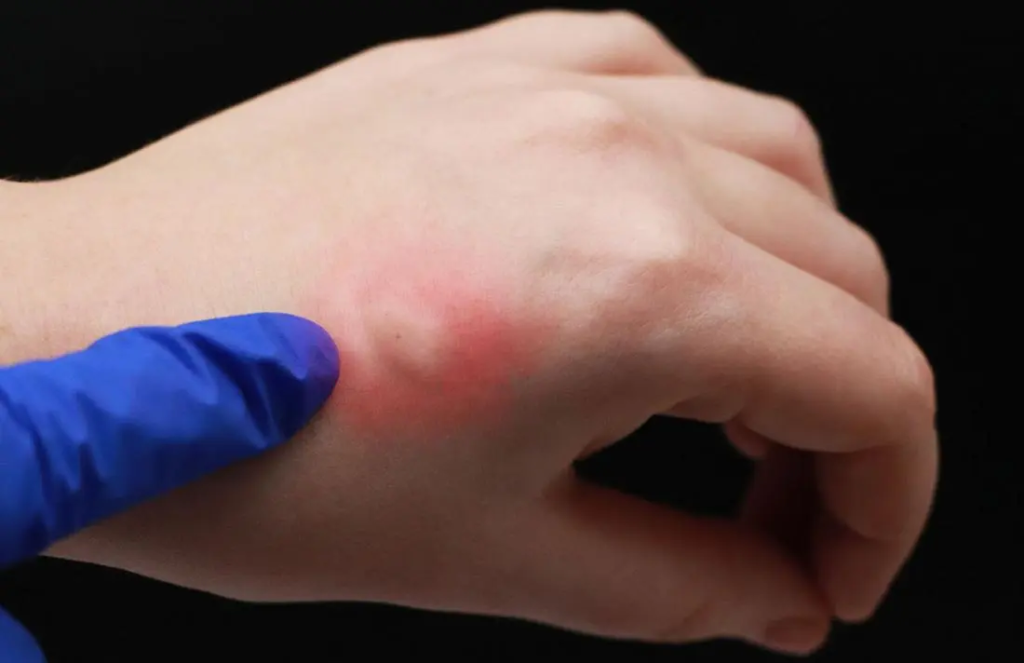
- Severe joint pain and swelling
- Muscle pain
- Headache
- Fatigue
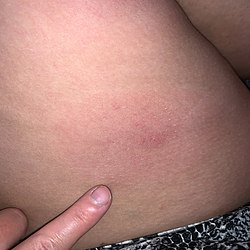
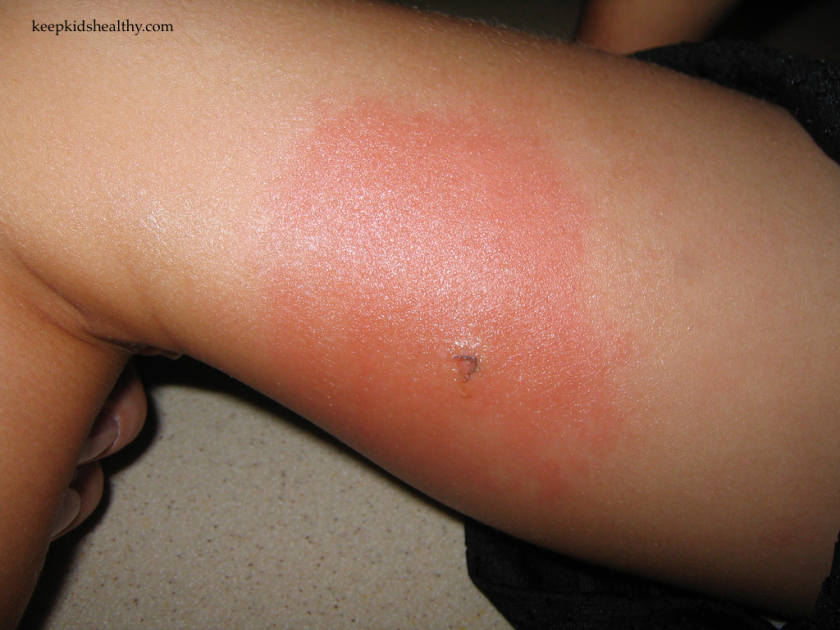
- Rash
But the most distinct and concerning part?
❗ Joint Pain That Doesn’t Go Away Quickly
Severe joint pain can last weeks, months, or even years.
Older adults or individuals with pre-existing health conditions are far more likely to experience prolonged symptoms, especially during extreme weather changes.
Other symptoms, however, are generally self-limiting and improve within a week.
Before we move forward, here’s what people really want to know…
What Are the Treatment Options for Chikungunya?
There is no specific antiviral treatment for chikungunya.
Most care revolves around relieving symptoms, such as:
- Anti-inflammatory medicines
- Painkillers
- Rest
- Adequate hydration
These treatments help manage fever, joint pain, and muscle discomfort, allowing the body to recover naturally.
Is Chikungunya Fatal?
Chikungunya is rarely fatal, but there are higher-risk groups:
- Elderly individuals
- Newborns
- People with pre-existing health conditions
Most symptoms last 2–3 days, although joint pain may persist significantly longer.
The disease often begins with an abrupt fever, followed by joint pain. Other symptoms include muscle pain, headache, nausea, fatigue, and rash.
How to Prevent Chikungunya
Prevention relies heavily on reducing mosquito exposure and controlling mosquito populations.
Here are the most effective strategies:
- Use insect repellent containing DEET or eucalyptus oil
- Wear long-sleeved shirts and full-length pants
- Sleep under mosquito nets, especially in high-risk zones
- Eliminate standing water where mosquitoes breed
- Install window and door screens
- Stay indoors during peak mosquito hours (dawn and dusk)
These simple steps drastically cut infection risk.
Brief History of the Virus
According to the World Health Organisation, the chikungunya virus was first identified in Tanzania in 1952, later spreading through Africa and Asia.
Urban outbreaks occurred in:
- Thailand (1967)
- India (1970s)
Currently, there are two chikungunya vaccines available in the United States:
- IXCHIQ – a live-attenuated vaccine
- VIMKUNYA – a virus-like particle vaccine
Disclaimer
This content, including advice, provides generic information only. It is not a substitute for a qualified medical opinion. Always consult a specialist or your own doctor for more details. We do not claim responsibility for this information.