Mexican President Condemns U.S. Terrorist Label for Drug Cartels
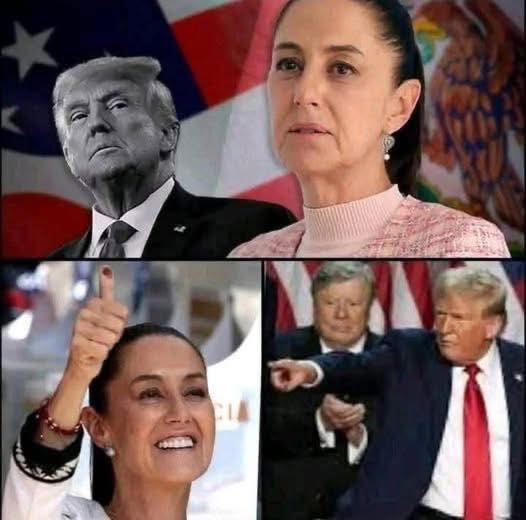
The Trump administration recently labeled eight major Mexican drug cartels—including Jalisco New Generation and Sinaloa—as terrorist organizations. The move immediately drew strong criticism from Mexico’s President, Claudia Sheinbaum, who warned that her country would not tolerate U.S. interference in its sovereignty and internal affairs.
“Any collaboration with the U.S. will be based on mutual respect—not subordination,” Sheinbaum declared, signaling a firm stance against Washington’s aggressive strategy.
Rising Tensions Between Mexico and the U.S.
This response came in the wake of the U.S. announcement, which opened the door to potential military actions against the cartels. Experts suggest this could significantly escalate tensions between the neighboring nations.
While the move may seem aggressive, there is caution behind the rhetoric. Full-scale military action is widely considered unlikely, but the United States has been ramping up the use of drones to target Mexican fentanyl labs, signaling a willingness to take decisive action without fully committing ground forces.
Elon Musk’s Controversial Suggestion
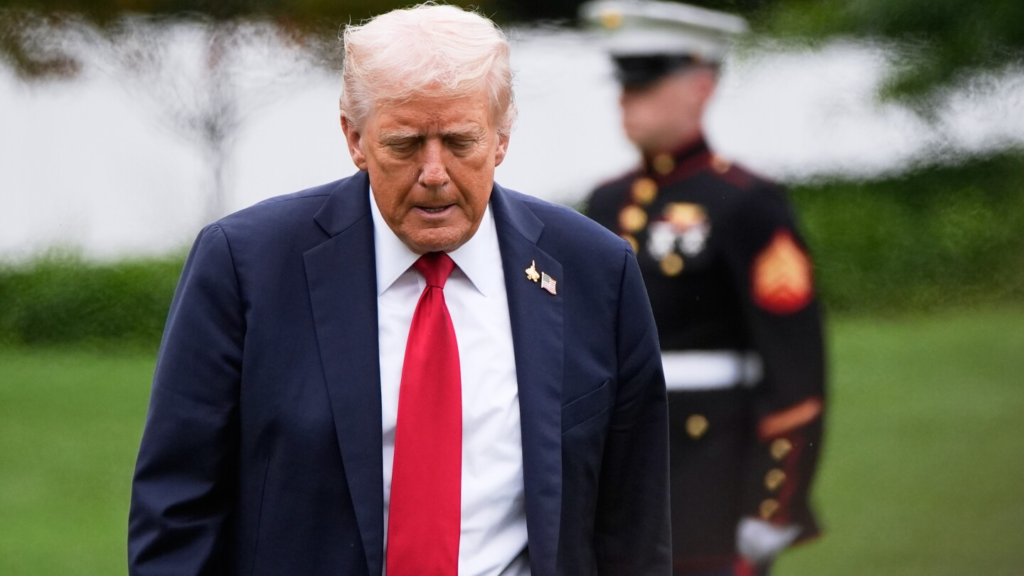
In an unexpected twist, Elon Musk, who leads the Department of Government Efficiency, suggested that these cartels could become targets for drone strikes.
The comment added fuel to the fire, drawing criticism from officials in Mexico who insist that sovereign nations should manage their internal security without foreign military threats.
Mexico’s Legal Countermeasures
In response to the U.S. move, Mexico has also vowed to take legal action against U.S. gun manufacturers if the cartels are officially designated as terrorist groups. This shows that the conflict is not just military or political—it could also spill into legal and economic arenas, further complicating relations.
Sheinbaum emphasized that Mexico seeks collaboration but not subordination, making it clear that any cooperation must respect national sovereignty.
What This Could Mean
- Increased tensions between Mexico and the U.S. on border security and law enforcement.
- Potential escalation of drone operations targeting drug labs, raising legal and ethical questions.
- A new front in international legal battles over U.S. gun sales and cartel funding.
The coming months could define the future of U.S.-Mexico cooperation in the war on drugs—but only if both nations navigate the line between respect and confrontation carefully.