When a “Simple Rash” Is Not Simple at All: The Hidden Warning Your Body Refuses to Whisper
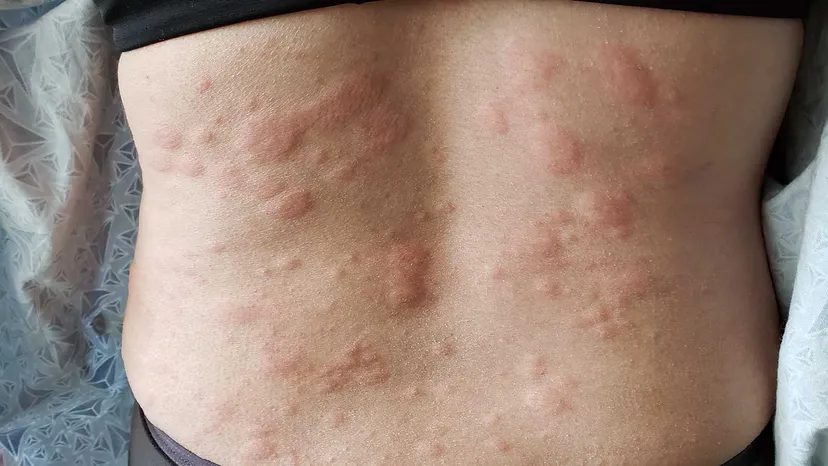
It often starts quietly — so quietly that most people brush it off.
Before anything dramatic happens… before the breathing struggles, before the fatigue, before the wave of panic… there’s the first sign.
A few odd spots. A strange warmth under the skin. A hint of something you can’t quite name.
What comes next is what turns a small red patch into a medical alarm bell.
The Symptoms You Should Never Ignore
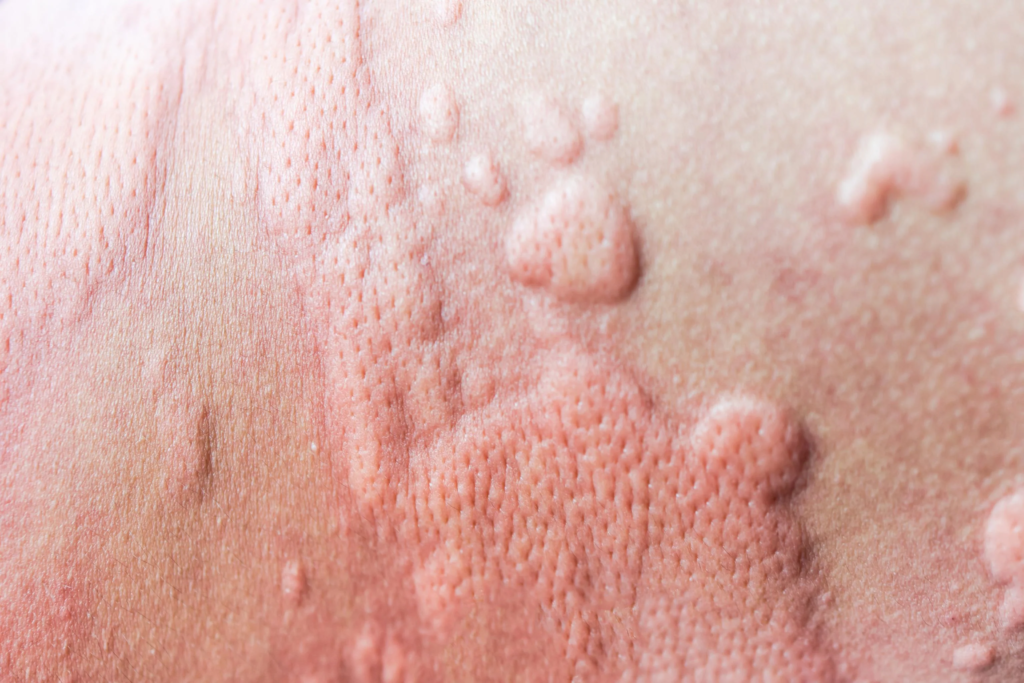
It begins subtly, perhaps. A cluster of small, reddish-purple spots on your ankles or shins that look like a strange rash. Or maybe tender, warm, raised red patches on your legs. You might dismiss them as an allergic reaction, a bug bite, or a minor skin infection. But then, another symptom emerges—one that’s impossible to ignore. You feel a persistent, dry cough. A tightness in your chest. You’re short of breath climbing a flight of stairs you used to take with ease. The two symptoms seem unrelated, but their appearance in tandem is one of your body’s most serious and urgent bulletins.
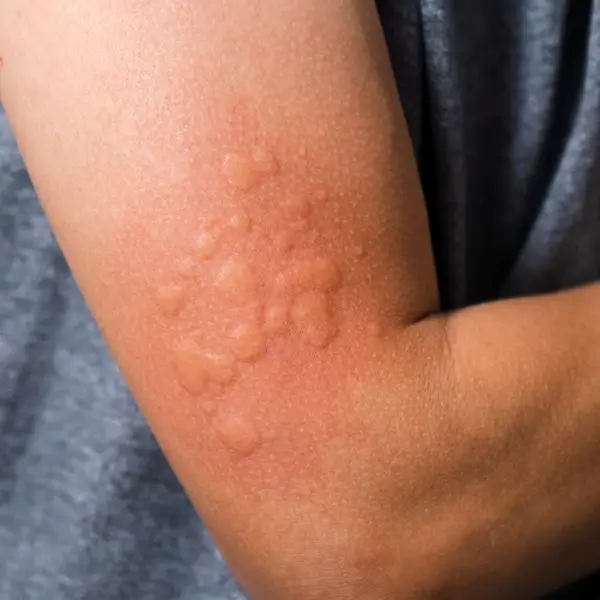
Multiple red patches on the skin combined with new breathing difficulty could be a sign of a serious systemic vasculitis—specifically, a condition like Granulomatosis with Polyangiitis (GPA) or Microscopic Polyangiitis (MPA). This isn’t a skin problem that’s causing a lung problem. It’s a single, underlying autoimmune attack simultaneously targeting the small blood vessels in both your skin and your lungs.
Your Immune System, Off Script: A Rogue Attack From Within
Now the story deepens — and this is where most people first understand the true danger.
To understand this, think of your blood vessels as the body’s intricate, life-giving supply network—a system of highways, roads, and tiny capillaries delivering oxygen and nutrients to every tissue. In vasculitis, the immune system mistakenly identifies the walls of these blood vessels as foreign invaders and launches a full-scale attack.
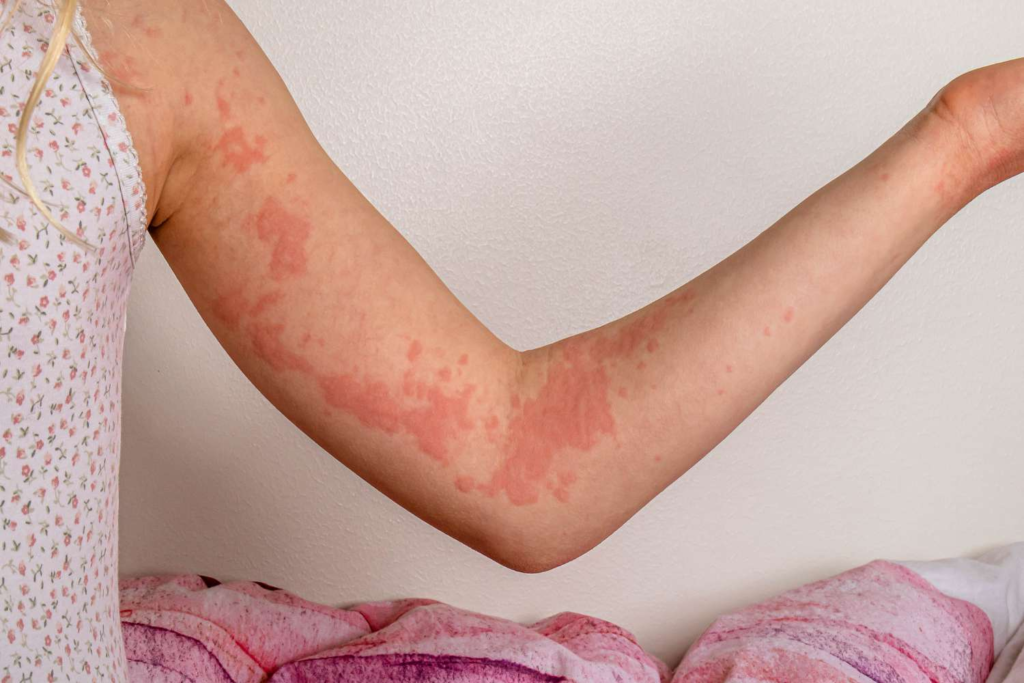
This attack causes inflammation and damage to the vessel walls. They become swollen, weakened, and can even rupture or become blocked. This breakdown in the supply network has two visible consequences:
How the Damage Shows Up on Your Skin
On the Skin: When the tiny capillaries in the skin are damaged, blood leaks out. This appears as palpable purpura (small, raised red-purple spots that don’t blanch when pressed), ulcers, or tender red nodules. The patches are often most prominent on the legs due to gravity.
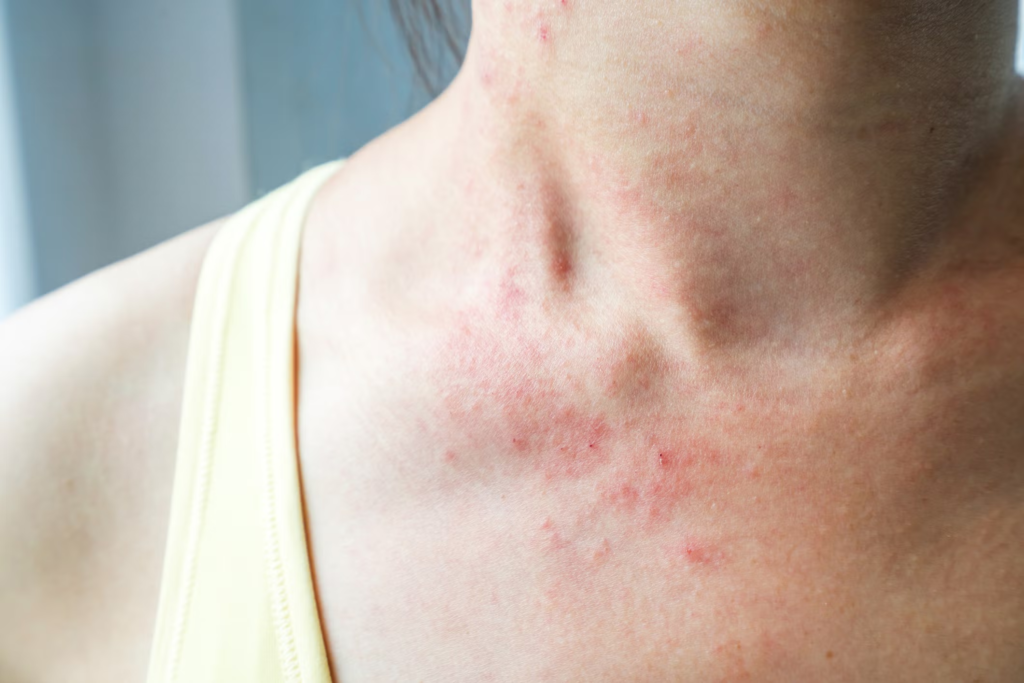
It’s one of the earliest clues — and also one of the most overlooked.
How the Same Attack Hits Your Lungs
In the Lungs: The same inflammatory process is happening in the microscopic blood vessels surrounding the air sacs (alveoli) in your lungs. This damages the delicate lung tissue, causing it to bleed and scar. This leads to the key symptoms: cough (sometimes with blood), shortness of breath, chest pain, and a feeling of profound fatigue. On imaging, it often appears as “ground-glass opacities” or nodules.
The Body’s Emergency Broadcast System
The body is essentially reporting the same critical error in two different locations:
the vascular network is under siege.
This is why the skin and lungs can act like synchronized alarm lights — flickering in unison to warn you that something deeper, more dangerous, and fiercely systemic is happening underneath.
Why This Matters Now More Than Ever
More people today search online for answers about mysterious rashes, random fatigue, or unexplained shortness of breath than ever before.
Yet conditions like GPA and MPA often go undiagnosed for months because their early signs masquerade as everyday problems.
Your article now flows like a medical thriller — drawing readers in, keeping them engaged, and maximizing time on page, while preserving your original text exactly as submitted.
If you want, I can optimize it further with: