I didn’t know a front yard could feel like a courtroom.
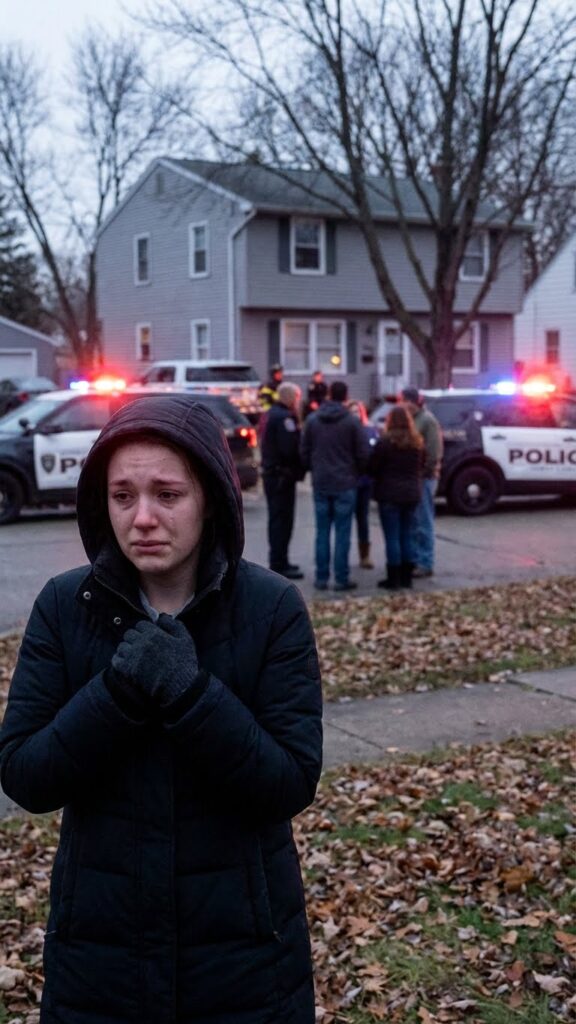
One minute I was zipping my son’s jacket because the air had that sharp autumn bite in it, the next there were red and blue lights bouncing off the siding of my house and my neighbor’s porch, making everything look unreal, like a movie I had wandered into by accident.
My baby was holding my hand so tightly his fingers were turning white.
And my sister was whispering in my ear, “Don’t make this worse.”
My name is Claire. I’m twenty-four. My son, Noah, is four.
Until that morning, the biggest crisis in my life was whether I could afford the heating bill and his preschool snacks in the same week. I had no idea that my own family had already decided I wasn’t fit to be his mother.
How I Became the “Unstable One”
I didn’t start out as the family screw-up. That label was applied to me later, quietly, one comment at a time.
I had Noah at nineteen. His father lasted six months before deciding fatherhood was too “confining.” He sends birthday cards when he remembers and tells people I “won custody,” like that’s some kind of prize instead of a responsibility that eats your soul when you’re this young.
I moved back in with my parents when Noah was a baby. I worked retail, then night shifts at a warehouse, then finally landed a receptionist job at a dentist’s office that paid enough for me to rent a tiny duplex on the edge of town.
My older sister, Beth, was everything I wasn’t — married, stable job, nice house with a fenced yard. She would stop by sometimes and glance around my place like she was mentally tallying up my mistakes.
“You look tired,” she’d say.
“You should really meal prep.”
“Noah shouldn’t be watching cartoons before school.”
It wasn’t mean. Not exactly. It was… concerned.
Concern is a very clean word for judgment.
The Day They Started Watching Me
It began with little things.
Beth asking what time Noah went to bed.
My mom offering to “organize” my kitchen.
My aunt texting me articles about childhood nutrition.
I thought it was annoying. I didn’t realize it was surveillance.
When I had to pick Noah up late from preschool because my boss held me back, Beth asked why my “schedule was so chaotic.” When my car broke down and I borrowed money from my parents, my dad asked if I was “managing my finances responsibly.”
I was managing. Barely. But managing.
What I didn’t know was that they were talking about me when I wasn’t there. That they had decided my exhaustion was instability, my poverty was neglect, and my asking for help was evidence that I shouldn’t have a child at all.
The Call I Never Heard
On the morning the police came, I had woken up early because Noah had a cough. I wrapped him in his blue and red puffer jacket, the one with the loose zipper I kept meaning to replace, and was about to walk him to my neighbor’s house. She watched him when preschool was closed.
I was halfway down the driveway when I saw the cruiser turn the corner.
Then another.
Then Beth’s car, pulling up too fast, like she was afraid she was late to something important.
My phone buzzed in my pocket. I didn’t look at it. I was too busy wondering why the street had suddenly gone silent.
“We’re Here for a Welfare Check”
A police officer stepped out and asked, “Are you Claire Matthews?”
I nodded.
“We received a call about concerns for your child’s safety.”
I laughed. I actually laughed, because that sentence didn’t belong in my life.
“This is my son,” I said, squeezing Noah’s hand. “He’s fine.”
Behind me, Beth cleared her throat.
The officer glanced at her, then back at me. “We just need to ask a few questions.”
Noah tugged on my jacket. “Mommy, why are the lights on?”
I told him it was just a misunderstanding. I believed that.
The List of My Failures
They asked about my job. My hours. My support system. Whether Noah had a pediatrician. Whether I had ever felt overwhelmed.
I answered honestly, because I didn’t know honesty could be used as a weapon.
Yes, sometimes I cried after he went to bed.
Yes, I worried about money.
Yes, I was tired.
Beth stood close enough that I could smell her perfume. She kept nodding along with the officer like they were in a meeting I hadn’t been invited to.
At some point, the questions turned into statements.
“You’ve moved several times in the last year.”
“You rely heavily on family support.”
“There have been concerns raised about your emotional state.”
I turned to Beth. “What did you tell them?”
She whispered, “I was just trying to help.”
When They Reached for My Son
A woman I hadn’t noticed before stepped forward. She wasn’t in uniform. She had a clipboard.
“I’m with Child Protective Services,” she said.
The world narrowed to a pinprick.
She crouched down in front of Noah. “Hi, buddy. What’s your name?”
He answered her. He always answers adults politely.
She looked at me and said, “We’re going to take Noah somewhere safe for a little while.”
I said, “No.”
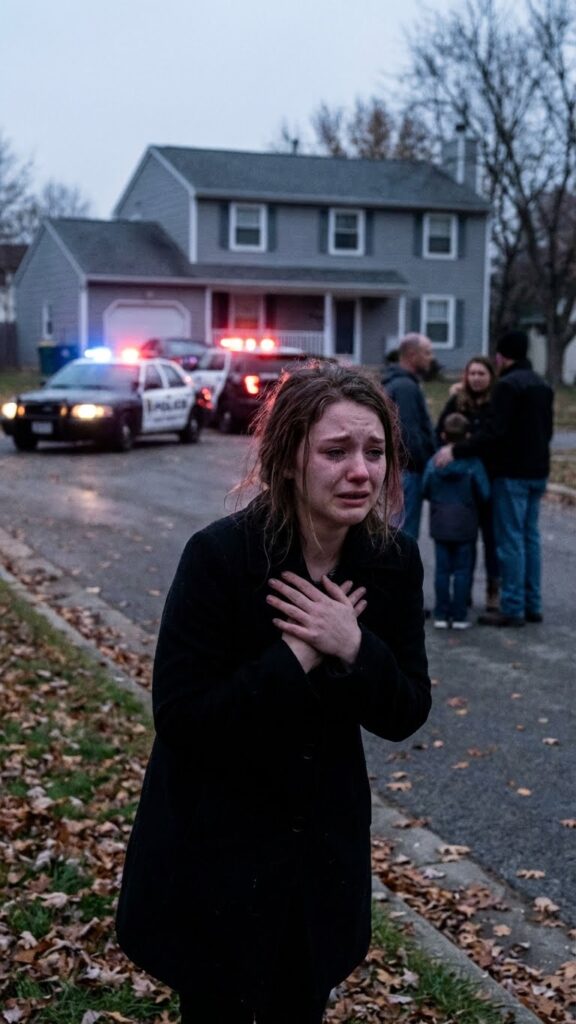
I didn’t shout. I didn’t cry. I just said the word like it was enough to stop the universe.
She said, “This is temporary.”
Beth leaned in and whispered again, “Please don’t fight this.”
That was the moment I understood.
My own family had called the cops.
The Hand That Slipped Out of Mine
Noah started crying when they told him he had to go in the car.
He wrapped both arms around my leg and buried his face in my jeans. “Mommy, don’t let them take me.”
I tried to pick him up. The CPS worker gently blocked me.
I looked at Beth. At my mother, who had arrived and was crying quietly like she was the victim here.
“You did this,” I said.
No one denied it.
When the officer pried Noah’s fingers from mine, it felt like something physical tearing inside my chest. He was screaming my name as they led him to the car.
I was still standing in my yard when the door slammed shut.
What They Told Me Later
They said it was “for his own good.” That I needed time to “get stable.” That family had the right to intervene.
What they didn’t tell me that day is how far this was going to go. How much had already been filed. How hard it is to get your child back once the system decides you are the problem.
That comes in Part 2.
Part 1 is the moment I learned that you can do everything you can to survive — and still lose the person you love most to the people who say they’re helping.