
A Rare Reaction: When an Inhaler Triggers Sweet Syndrome
When a Simple Inhaler Change Turns Into a Medical Puzzle

Imagine switching a medication you’ve used for years… and within 48 hours your skin erupts in painful, bright red patches.
That’s exactly what happened in this case — and what doctors discovered afterward may change how clinicians think about inhalers entirely.
These are the signs that he is cr…
A Rare Reaction: When an Inhaler Triggers Sweet Syndrome
What began as a simple adjustment to a patient’s COPD inhaler quickly turned into a medical mystery. Within just two days, a 55-year-old woman developed extremely painful, bright red patches on her face and neck, along with a mild fever.
Although the skin symptoms faded fairly quickly, a biopsy revealed an unexpected diagnosis—Sweet syndrome, a rare immune-mediated skin disorder.
This unusual case may represent the first time an inhaled medication has been linked to Sweet syndrome, raising important questions about hidden risks in commonly prescribed therapies.
Case Overview — The Clues Behind the Mystery
To understand this surprising reaction, let’s walk through what happened step by step.
The patient, who had a medical history of hypertension and COPD, had been stable for years on enalapril and a formoterol inhaler. When her lung function began to decline, her pulmonologist switched her inhaler to a combination of indacaterol and glycopyrronium. Just 48 hours after starting the new medication, she developed painful erythematous plaques on her face and neck, accompanied by a low-grade fever.
Sudden skin changes. Fever. No obvious triggers.
She denied recent changes in cosmetics, diet, or cold symptoms, though she did report sun exposure while using adequate protection.
That left only one major change: the inhaler.
She was urgently referred to dermatology, and the inhaler was discontinued. Blood tests excluded infections and autoimmune markers, while a skin biopsy confirmed Sweet syndrome. Oral corticosteroids were prescribed, resulting in rapid improvement within two days.
Understanding Sweet Syndrome — When the Immune System Overreacts
Here’s where the case becomes even more intriguing.
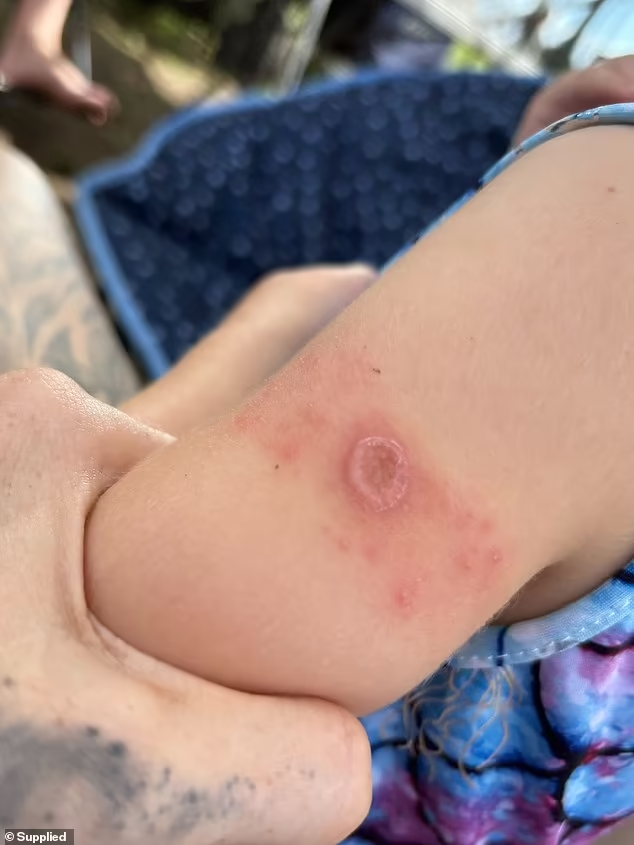
Also known as acute febrile neutrophilic dermatosis, Sweet syndrome is marked by the sudden onset of painful, red papules or plaques—often asymmetrical—commonly affecting the face, neck, upper torso, and hands. Patients usually present with systemic signs such as fever and elevated white blood cell counts.
Though its exact cause is unclear, Sweet syndrome is thought to arise from cytokine-driven immune responses, often triggered by infections, cancers, or certain medications—including antibiotics, antiepileptics, and vaccines. Treatment with corticosteroids typically brings quick relief.
But here’s what makes this case especially noteworthy:
Inhaled medications have never before been documented as a trigger.
Differential diagnoses such as contact dermatitis, lupus, and urticaria were carefully ruled out — making the connection to the inhaler even more compelling.
Why This Matters — And Why Clinicians Should Pay Attention
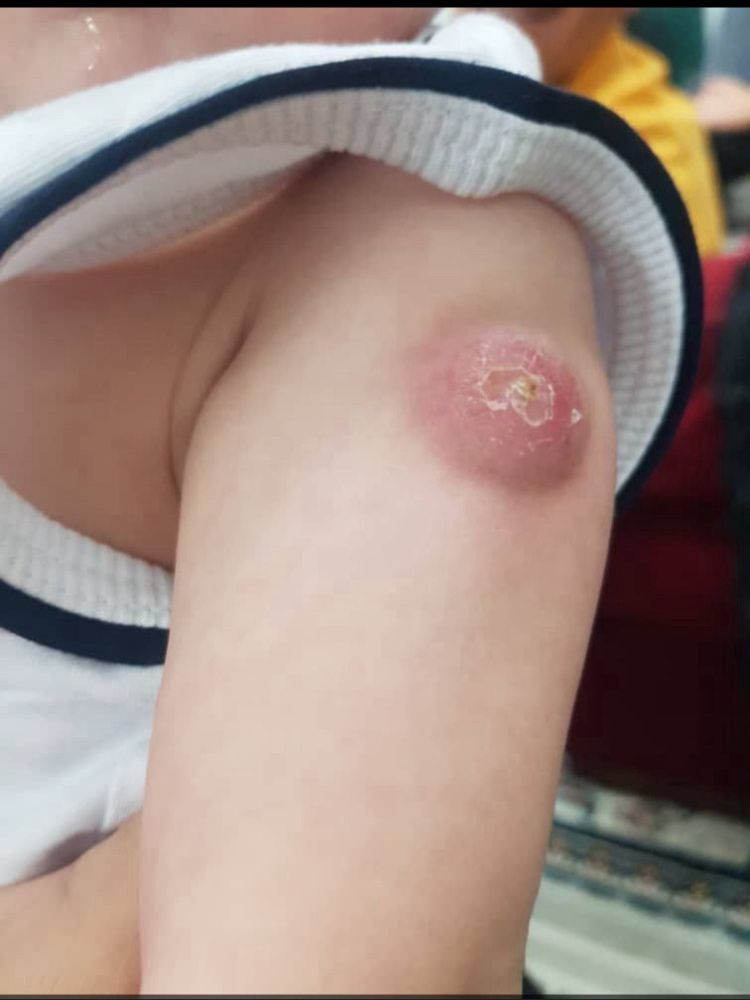
At first glance, Sweet syndrome may seem like a rare dermatological condition — but in practice, it can be a crucial early warning sign.
Because Sweet syndrome is rare and sometimes associated with serious systemic illnesses, it is often overlooked during early evaluations. This case underscores the vital role of primary care providers in recognizing unusual drug reactions, ensuring timely referral, and initiating appropriate treatment.
And since inhalers are among the most commonly prescribed medications worldwide, even a single documented case like this may reshape how clinicians monitor new symptoms after inhaler changes.
Conclusion — A Reminder Hidden in Plain Sight
This case serves as a reminder that even well-established medications—such as inhalers—can occasionally provoke rare but serious immune responses. For clinicians, being alert to sudden skin changes after a medication adjustment is crucial. Expanding awareness of unusual Sweet syndrome triggers can improve diagnostic accuracy and lead to faster, potentially life-saving interventions.