THE CASCIO RECKONING: Inside the Explosive New Allegations Rocking Michael Jackson’s Legacy
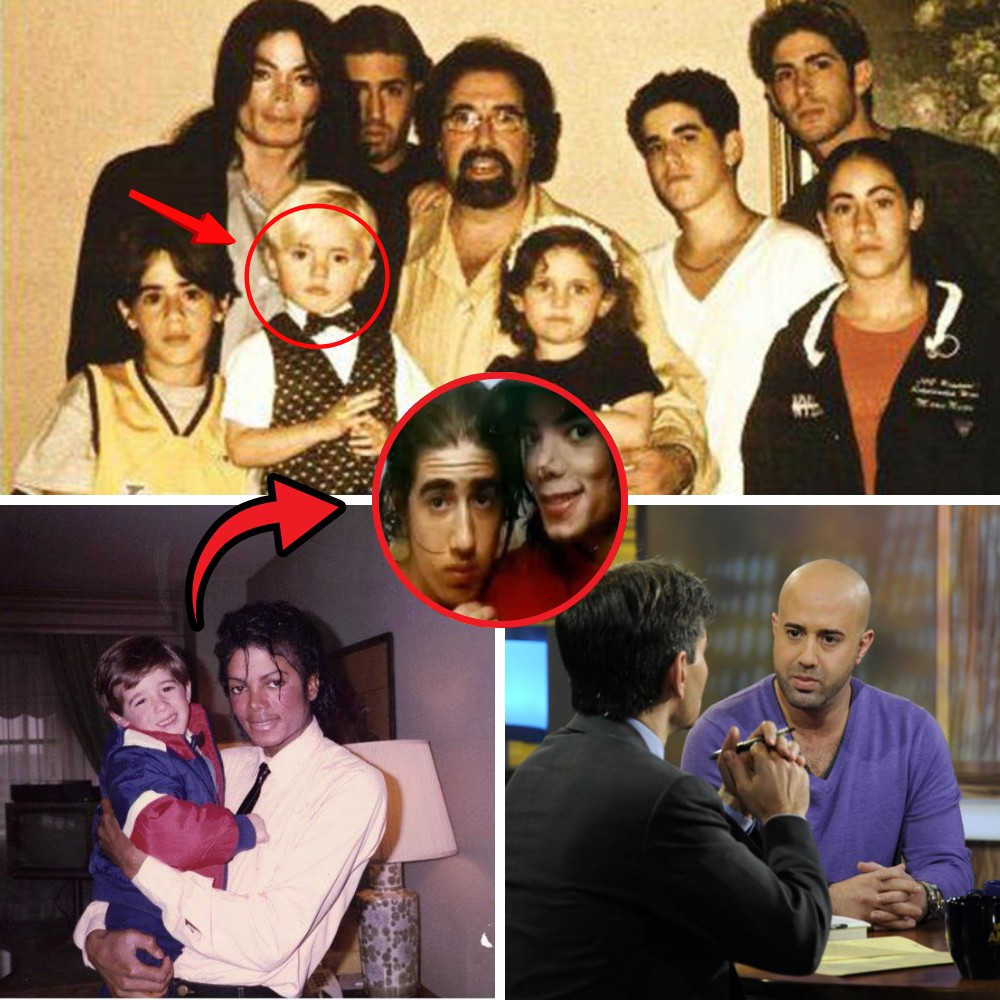
The Day the Jackson Narrative Fractured
In the gilded ruins of pop royalty, where fame’s afterglow collides with buried traumas, a new chapter in the endless saga of Michael Jackson’s legacy has unfolded with seismic force. On November 6, 2025, five siblings from the tight-knit Cascio family—once hailed as the singer’s surrogate kin—filed explosive court documents accusing the late King of Pop of orchestrating a web of abuse that spanned decades, ensnaring them all in isolation and secrecy.
Frank Cascio, now 46, along with his sisters Marie-Nicole Porte, 52, and sisters Dominick, Jael and another unnamed sibling, allege not just grooming and sexual assault but a calculated campaign to “hide” them from prying eyes, including Jackson’s own lawyers during his 2005 child molestation trial. The claims, lodged against Jackson’s estate in Los Angeles Superior Court, demand over $160 million in damages, ripping open wounds that the family says festered in silence for 25 years.
What emerges is a portrait of a household fractured by unspoken horrors, where loyalty to a superstar morphed into a prison of complicity, and the estate’s 2020 settlement—meant to seal lips—is now decried as coercion under duress.
From Fan Encounter to ‘Second Neverland’
The Cascio story begins not in scandal but in serendipity, a classic tale of rags-to-riches through celebrity grace. In 1984, Dominic Cascio, a blue-collar New Jersey father of eight scraping by on construction gigs and odd jobs, crossed paths with Jackson at a fan event in Atlantic City.
What started as a starstruck handshake blossomed into an unlikely bond: Jackson, adrift in a sea of sycophants, found solace in the boisterous warmth of the Cascio home in Parsippany. By 1986, the singer had installed the family in a sprawling rented mansion in Mendham, New Jersey, dubbing it a “second Neverland” where he could escape the paparazzi’s glare.
The Cascio kids—Frank, the eldest boy at 10; his twin brother Eddie; sisters Marie-Nicole, Dominick, Jael, and others—became his constant companions, shuttled via private jet to the real Neverland Ranch in Santa Barbara, California.
Jackson cooed over them like his own, cutting their food into bite-sized pieces, bathing the little ones, and tucking them into featherbeds beside his own.
“He treated us like family,” Frank would later write in his 2011 memoir My Friend Michael, a glowing testament that painted Jackson as a paternal savior, not a predator.
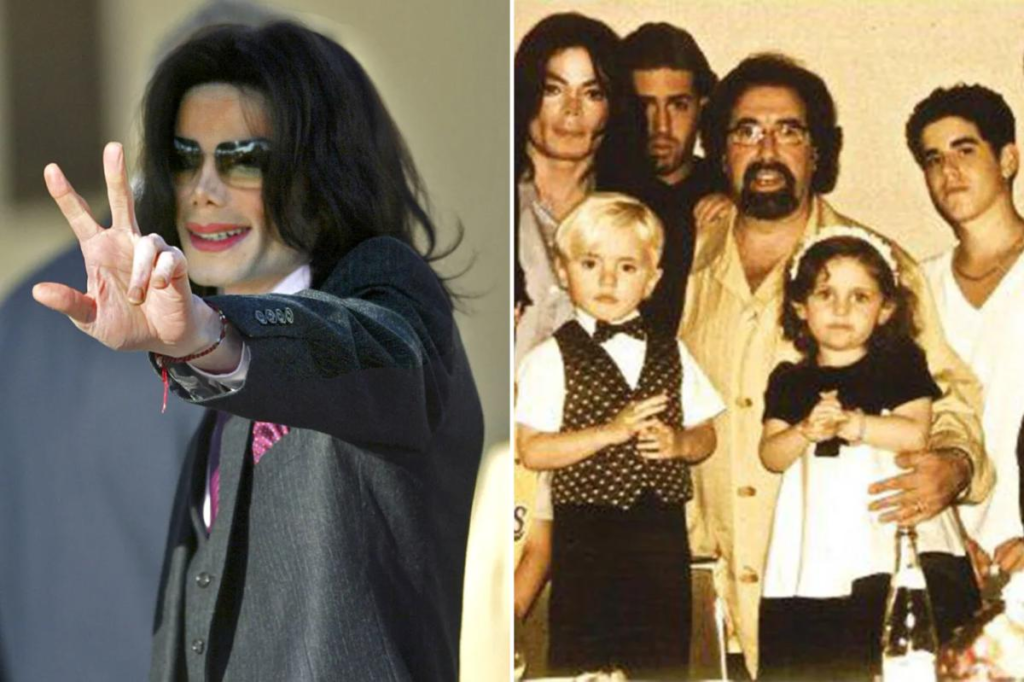
The Alleged Shift from Fairy Tale to Fear
But beneath the fairy-tale facade, the siblings now claim, lurked a darker design. According to the 150-page filing, Jackson’s affections escalated into predation starting in the late 1980s, targeting each child individually during sleepovers and tours.
Frank alleges the abuse began when he was 10, in Jackson’s master suite at Neverland, where the singer introduced him to pornography under the guise of “education,” followed by mutual masturbation and oral acts framed as “special secrets between friends.”
Marie-Nicole, then 13, recounts similar escalations during a 1989 European tour leg, where Jackson isolated her in hotel suites, whispering promises of stardom while crossing boundaries that left her numb.
The younger ones—Dominick at 8, Jael at 6—describe fragmented memories of “games” in the ranch’s arcade that turned invasive, with Jackson’s hands wandering under clothing during movie nights in his private theater.
A fifth sibling, identified only as “J.C.” in redacted sections, claims assaults as late as 2003, when Jackson was deep in preparations for his Dangerous tour revival.
A System of Secrecy: ‘We Were His Hidden Treasures’
The filings paint a chilling mosaic of isolation: Jackson allegedly instructed each child to “never tell,” enforcing secrecy with lavish gifts—diamond earrings for Marie-Nicole, a customized Jeep for Frank—and threats veiled as concern: “If anyone finds out, they’ll take you away from me forever.”
Crucially, the siblings say they were kept in the dark about one another, each bearing the shame alone, convinced they were the sole confidant in Jackson’s “pure love.”
This compartmentalization, they argue, was deliberate—a predator’s playbook to prevent collective rebellion.
“We were his hidden treasures,” Marie-Nicole stated in a sworn declaration, “buried so deep we couldn’t see each other in the dirt.”
The abuse allegedly persisted across continents:
● Parisian penthouses during the 1992 Dangerous tour, where Frank claims Jackson staged mock “weddings.”
● Tokyo hotel rooms in 1993, amid the first wave of Chandler allegations, where Jael was allegedly promised a Pepsi commercial role in exchange for silence.
2005: The Trial That Pushed the Family Into Hiding
The nadir, per the suit, came in 2005, as Jackson faced felony charges in his high-stakes Santa Maria trial over alleged abuse of 13-year-old cancer survivor Gavin Arvizo.
The Cascio siblings—then young adults—were poised to testify as character witnesses, their prior defenses of Jackson ironclad.
But the filings allege Jackson, frantic to shield his narrative, orchestrated a vanishing act.
“He called us one by one,” Frank recounts, “saying the lawyers were ‘dangerous snakes’ who might twist our words against him. He begged us to ‘hide’—stay out of sight, dodge calls, even fly to Europe if needed.”
Marie-Nicole claims she was whisked to a family friend’s cabin in the Poconos, phone confiscated, under the pretense of a “surprise vacation.” The younger sisters were allegedly sent to relatives in Florida, told it was to “protect Daddy Michael from bad people.”
When prosecutors subpoenaed them, the family stonewalled.
Jackson’s acquittal on all 14 counts was a victory—one that, the Cascios now say, carved deeper psychological wounds than they realized at the time.
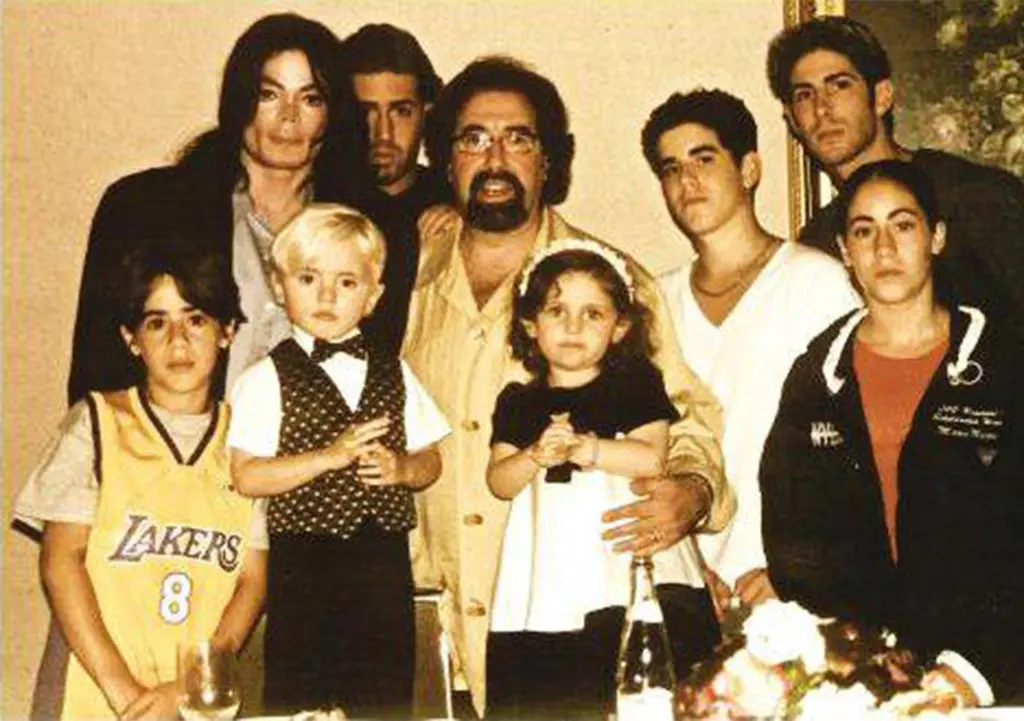
The Aftermath: Spiral, Collapse, Awakening
Frank spiraled into substance abuse and rehab cycles. Marie-Nicole battled eating disorders. Dominick dropped out of college; Jael retreated from the music dreams Jackson once nurtured.
Then came 2019.
Then came HBO’s Leaving Neverland.
The Cascios gathered in a living room, watching Wade Robson and James Safechuck recount eerily similar stories. For the first time in their lives, the siblings spoke openly.
“It was like mirrors shattering,” Frank said. “We saw ourselves in their pain, realized we’d all been played the same way.”
This awakening propelled them into therapy, then into legal negotiations—and inevitably, into conflict.
The 2020 Settlement: Lifeline or Trap?
In 2020, the Jackson estate—worth over $2 billion—offered a settlement: $13 million over five years in exchange for NDAs and arbitration.
The Cascios now argue they were pressured, misled, and emotionally compromised.
Frank says he skimmed the document “in a haze,” while Marie-Nicole says she felt “trapped in a room with wolves.” Payments allegedly stopped after 2023, sparking the new lawsuit demanding the NDA’s nullification.
The Estate Strikes Back
The Jackson estate’s countersuit was swift:
● Accusing the Cascios of “extortionate opportunism.”
● Highlighting the family’s previous defenses of Jackson.
● Pointing to Frank’s bestselling book and Eddie’s musical collaborations.
● Claiming the settlement was “reluctant mercy” to protect Jackson’s children from renewed trauma.
“Michael loved them like his own,” executor John McClain insisted. “This is grief twisted into greed.”
The public split instantly.
Hashtags collided: #CascioScam vs. #JusticeForMJ.
Paris Jackson posted cryptic messages hinting at internal turmoil. Robson and Safechuck expressed solidarity with the Cascios.
The Legal Battlefield Ahead
With California’s evolving laws on childhood abuse and extended “discovery” windows, experts predict a long, brutal fight—one that may reshape the contours of Jackson’s posthumous empire.
Standing at the Precipice
As Los Angeles rains pelt courthouse steps, the Cascio siblings stand united not as the golden family of Neverland lore, but as adults confronting ghosts they say controlled their lives.
Frank’s final line in his declaration lands like a hammer:
“We hid for him then. No more.”
It’s a statement that may reshape history—depending on which version the courts decide to believe.