It often starts quietly — and that’s what makes it dangerous
Oral cancer can affect the lips, tongue, cheeks, gums, and other parts of the mouth. Early detection greatly improves treatment success, but early symptoms are often subtle.
Many people don’t feel pain at first. Others assume the issue will “go away on its own.” But these early signals are your body’s first warning — and noticing them early can make a life-changing difference.
A small sore that doesn’t heal can be a big warning
One major warning sign is a sore that doesn’t heal within two weeks. The National Cancer Institute warns, “these sores may occur on the lips, gums, or inner lining of the mouth” and might not cause pain at first.
This is what makes them easy to ignore. Because there’s no sharp pain, people delay seeing a doctor — sometimes for months.
But doctors stress that time matters. Any sore that lingers longer than normal healing deserves professional attention.
Color changes inside the mouth you should never ignore
Color changes like white (leukoplakia) or red (erythroplakia) patches may also indicate abnormal cell growth. According to Mayo Clinic, red patches are more likely to be cancerous. Persistent bleeding without injury is another red flag.
These patches often appear flat and painless — which is exactly why they’re missed during daily routines like brushing or eating.
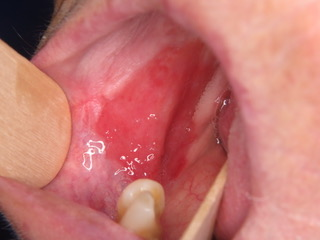
If bleeding happens repeatedly and there’s no clear cause, experts recommend getting checked — even if it stops on its own.
When your mouth starts to feel “different”
Other symptoms include lumps, thickened or rough areas, and persistent numbness or pain. “Sensory changes in the lips, tongue, or chin… should not be ignored,” notes the American Dental Association.
Some people describe it as tingling. Others notice areas that feel “dead” or unusually firm. These changes may seem minor — but they can signal deeper issues beneath the surface.
Everyday actions becoming difficult is a late warning
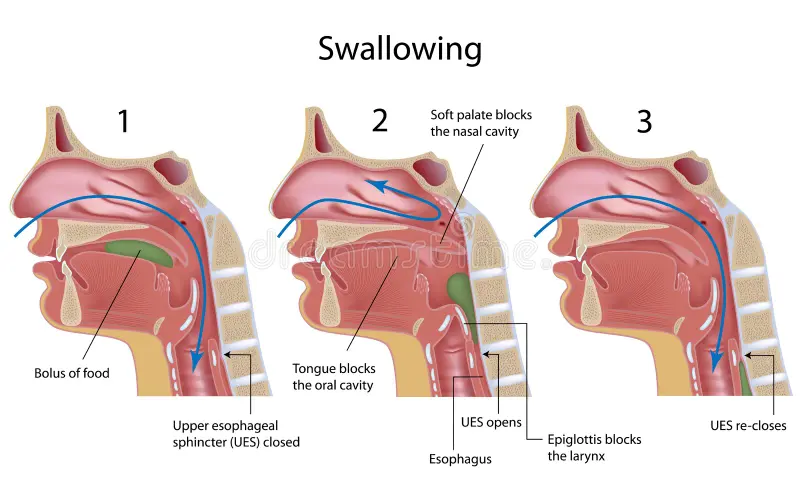
Difficulty chewing, swallowing, or jaw movement can also signal problems.
By the time these symptoms appear, the condition may already be progressing — which is why recognizing earlier signs is so important.
Why awareness matters more than fear
Oral cancer is highly treatable when detected early. The real danger isn’t knowing these symptoms — it’s ignoring them.
If something in your mouth feels off, looks unusual, or doesn’t heal on time, getting it checked could save more than just discomfort.