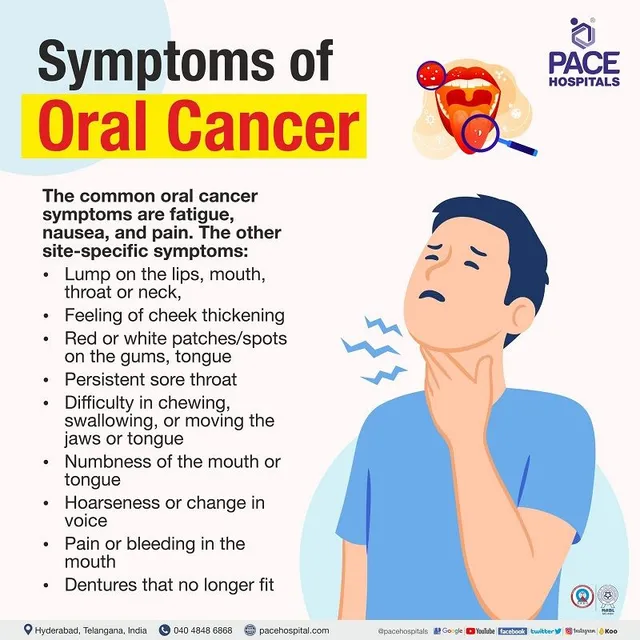
Oral Cancer Warning Signs Doctors Say People Often Miss

Oral cancer can be easy to overlook in its earliest stages—yet catching it early can be lifesaving.
Many of the first symptoms don’t feel urgent or painful, which is why awareness is critical.
Why Early Detection Matters
Oral cancer can affect the lips, tongue, cheeks, gums, and other parts of the mouth. Early detection greatly improves treatment success, but early symptoms are often subtle.
Because the mouth is something people see and feel every day, small changes are often dismissed—until they become harder to ignore.
A Sore That Doesn’t Heal Is a Major Red Flag
One major warning sign is a sore that doesn’t heal within two weeks. The National Cancer Institute warns, “these sores may occur on the lips, gums, or inner lining of the mouth” and might not cause pain at first.
This lack of pain is one reason many people delay seeking evaluation.
Color Changes Inside the Mouth
Color changes like white (leukoplakia) or red (erythroplakia) patches may also indicate abnormal cell growth.
According to Mayo Clinic, red patches are more likely to be cancerous.
Persistent bleeding without injury is another red flag that should not be overlooked.
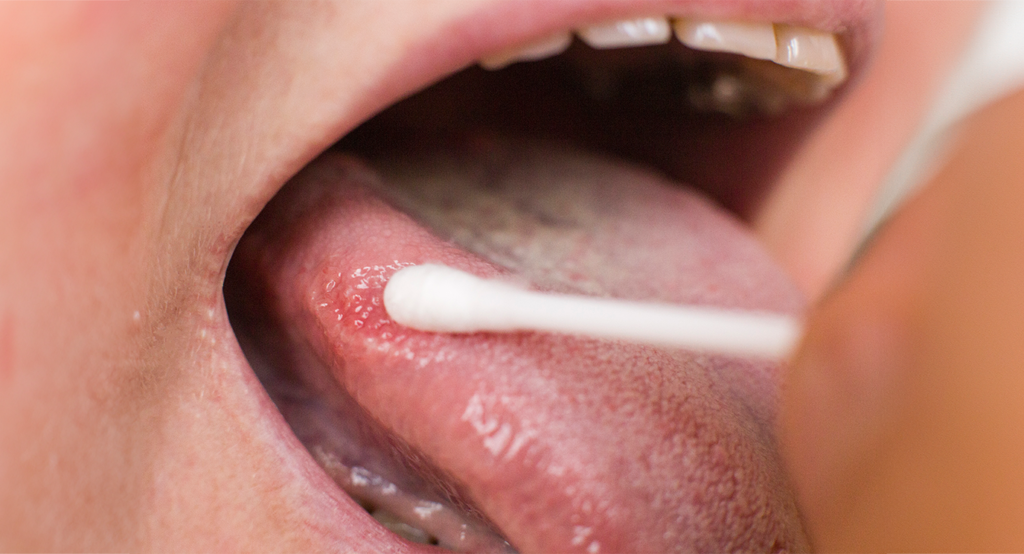
Additional Symptoms That Shouldn’t Be Ignored
Other symptoms include lumps, thickened or rough areas, and persistent numbness or pain.
“Sensory changes in the lips, tongue, or chin… should not be ignored,” notes the American Dental Association.
Difficulty chewing, swallowing, or jaw movement can also signal problems.
The Takeaway: Subtle Doesn’t Mean Harmless
Many oral cancer symptoms develop quietly, without severe pain or obvious warning signs.
Paying attention to changes—especially those that persist—can make a critical difference in outcomes.