Oral Cancer Warning Signs Most People Miss — Doctors Say These Subtle Clues Matter
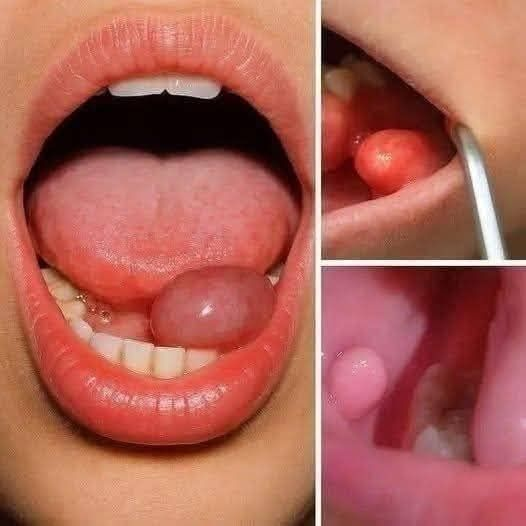
Oral cancer is often misunderstood, underestimated, and dangerously overlooked. While many people associate cancer with obvious pain or dramatic symptoms, oral cancer doesn’t always announce itself loudly — and that’s what makes it so dangerous.
What starts as something small, even harmless-looking, can quietly progress until treatment becomes far more difficult. The key difference between early intervention and late-stage diagnosis often comes down to recognizing subtle signs most people dismiss.
So what should you actually be watching for?
Oral Cancer Can Appear Almost Anywhere in the Mouth
Oral cancer can affect the lips, tongue, cheeks, gums, and other parts of the mouth. Early detection greatly improves treatment success, but early symptoms are often subtle.
That subtlety is what makes routine self-checks and awareness so critical. Many early warning signs blend into everyday mouth issues — until they don’t.
The Two-Week Rule Doctors Say You Should Never Ignore
One major warning sign is a sore that doesn’t heal within two weeks. The National Cancer Institute warns, “these sores may occur on the lips, gums, or inner lining of the mouth” and might not cause pain at first.
This is where many people make a dangerous assumption. Because the sore doesn’t hurt, it’s often brushed off as minor irritation, a bite, or a canker sore. But duration — not pain — is what matters most.
If a sore lingers past two weeks, experts say it deserves medical attention.
Color Changes That Could Signal Something Serious
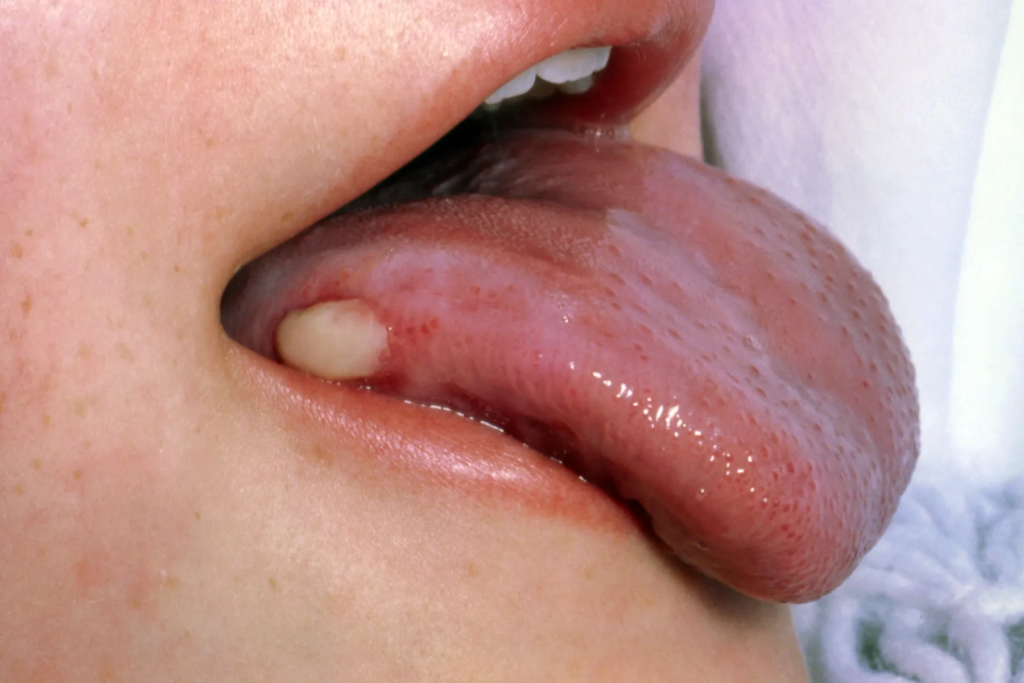
Color changes like white (leukoplakia) or red (erythroplakia) patches may also indicate abnormal cell growth. According to Mayo Clinic, red patches are more likely to be cancerous. Persistent bleeding without injury is another red flag.
These patches can appear flat, slightly raised, or textured — and they’re often painless. That’s precisely why they’re so easy to miss during daily routines like brushing or flossing.
Lumps, Numbness, and Sensory Changes Doctors Warn Against
Other symptoms include lumps, thickened or rough areas, and persistent numbness or pain. “Sensory changes in the lips, tongue, or chin… should not be ignored,” notes the American Dental Association. Difficulty chewing, swallowing, or jaw movement can also signal problems.
These sensations may develop gradually, making them easy to adapt to without realizing something is wrong. But experts emphasize that any persistent change in how your mouth feels or functions deserves evaluation.
The Bottom Line Doctors Want You to Remember
Oral cancer doesn’t always hurt. It doesn’t always look dramatic. And it doesn’t always interfere with daily life — until it suddenly does.
Knowing these early signs and acting quickly could make a life-changing difference. If something feels off, looks unusual, or simply doesn’t heal the way it should, medical professionals agree: don’t wait.