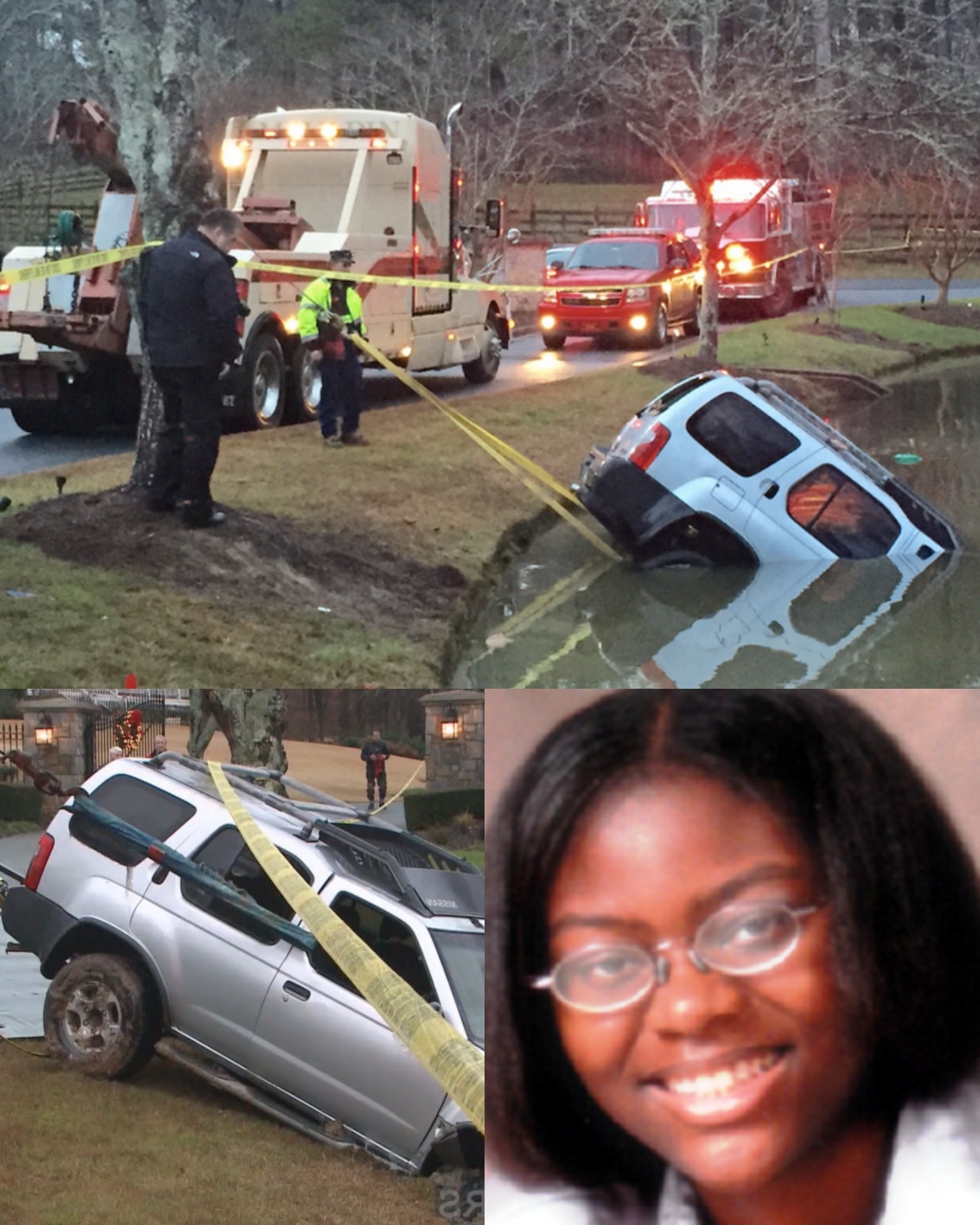
She told 911 exactly where she was.
She repeated it carefully.
She repeated it desperately.
She repeated it with the last breaths she had left.
And yet — no one came in time.
It was 4 a.m.
The kind of hour when the world is half-asleep, wrapped in darkness, unaware of the quiet tragedies unfolding beyond bedroom windows.
Thirty-one-year-old Shanell Anderson was finishing her newspaper route, driving roads she knew well, roads she had traveled countless times.
A familiar turn.
A quiet intersection.
A patch of asphalt slick with the cold of early morning.
And then — the slide.
Her SUV veered off the road.
The tires lost their grip.
The world tilted.
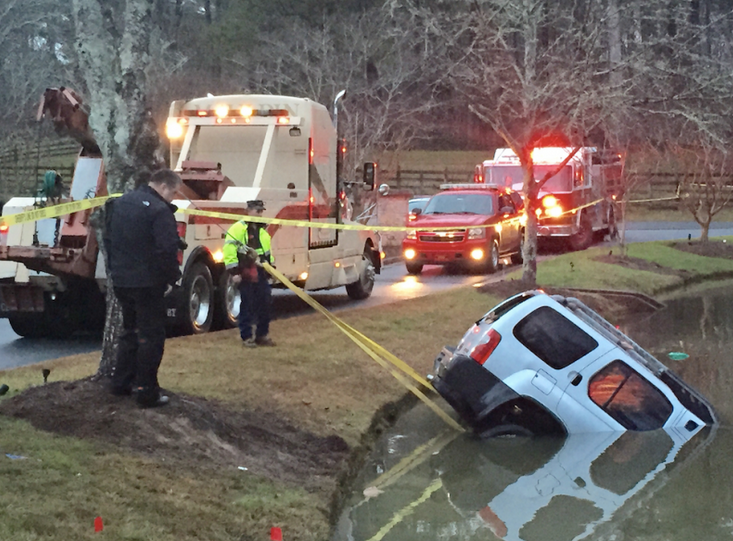
And in a blink, her vehicle plunged into a dark, silent pond.

The water was freezing.
It rushed in fast.
It climbed over her feet, her knees, her waist.
She pushed the door — it refused to budge.
She pushed again — nothing.
Her seatbelt clicked open, but the doors were sealed by the pressure of the rising water.
Shanell did the only thing any of us would do.
She reached for her phone.
Her hands were shaking.
Her voice was trembling.
But she stayed composed.
She knew panic would steal her time.
And time was the only thing she didn’t have.

The 911 dispatcher answered.
Shanell spoke quickly but clearly.
She gave the exact cross streets.
She gave the ZIP code.
She stated the subdivision.
She repeated her location over and over as the water crawled higher.
Any mistake, any hesitation, could cost her the precious seconds she was fighting for.
But Shanell didn’t make mistakes.
She knew exactly where she was.
She was doing everything right.
Everything she was supposed to do.
And still — the system failed her.
The dispatcher couldn’t find her location on the map.
Not because Shanell gave the wrong information.
Not because she was confused.
Not because the pond was hidden from view.
But because her call had been routed to the wrong county.
Two different jurisdictions.
Two sets of maps.
Two systems that didn’t speak to each other.
And a woman trapped underwater, counting on people who didn’t even know where to start looking.
The dispatcher asked her to repeat the street names.
She did.
Calm, steady, fighting to keep her voice above the rising water.
The dispatcher asked again.
She repeated them again, this time with urgency creeping into her tone.
Then another question.
And another.
The seconds slipped away as the SUV filled.
You can hear the sound on the recorded call — the soft, chilling splash of water rising against her seat.
You can hear her breath getting shorter.
You can hear her struggling to stay above the surface.
And then, in the final seconds, as the water reached her mouth, she said the words no one should ever have to say:
“I’m drowning.”
The dispatcher’s voice cracked.
“I’m trying to find you.”
But the system could not lock onto Shanell’s cellphone signal before the call went silent.
And the last thing heard over the line was water swallowing her voice… followed by the dispatcher whispering:
“I lost her.”

Meanwhile, rescuers were racing — but without a precise location.
They searched multiple streets.
Multiple ponds.
Multiple possibilities.
Every minute mattered.
Every minute felt like a lifetime.
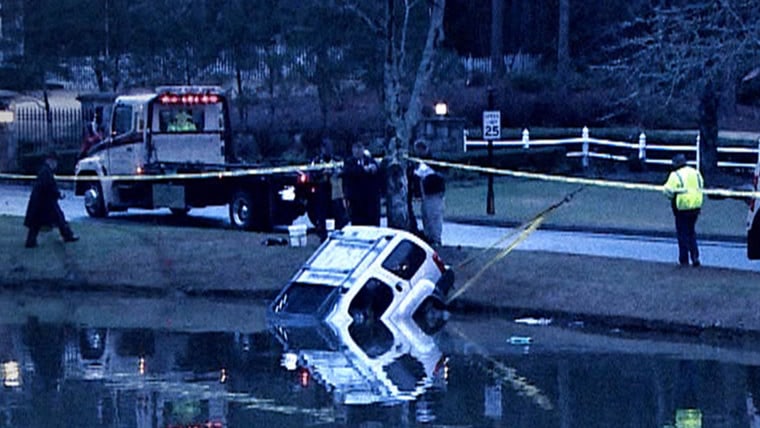
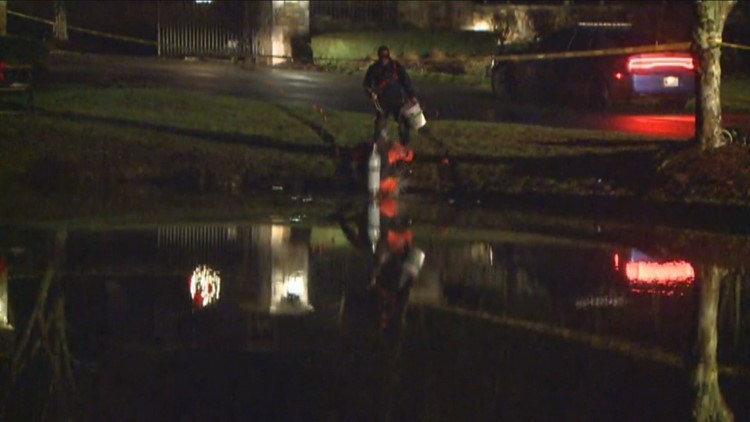
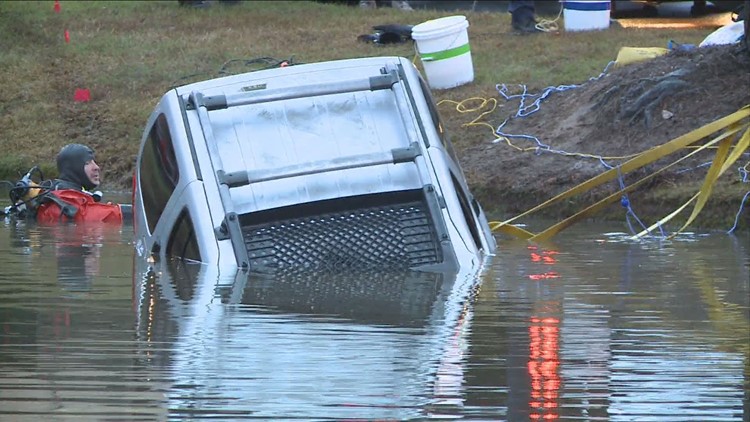
By the time they reached the correct pond — nearly twenty minutes later — Shanell’s SUV was already submerged.
Divers entered the water.
They found her.
They pulled her out.
And somehow, impossibly, she still had a pulse.
A faint one.
A fragile one.
A heartbeat fighting for a chance.
Doctors tried everything.
Machines breathed for her.
Therapies warmed her body.
Prayers surrounded her.
Her family held onto hope with trembling hands.
But drowning takes more than breath.
It steals oxygen from the brain.
It erases memories.
It dims consciousness.
It cuts off futures.
For twelve long days, her loved ones watched her hover between life and death.
Twelve days of machines beeping in quiet hospital rooms.
Twelve days of hoping she would wake up and recognize their faces.
Twelve days of wondering how a system designed to save lives could fail so completely.
And then, her heart gave out.
Shanell Anderson died — not because she didn’t know where she was.
Not because she didn’t call for help.
But because the help she begged for never found her in time.
Her death wasn’t just a tragedy.
It was a warning.
A mirror held up to the flaws in a 911 system that millions of people depend on every single day.
A system that doesn’t always route calls to the right place.
A system where county lines decide life or death.
A system where a dispatcher can hear someone drowning — and still be powerless to help.
Because the maps didn’t match.
Because the call bounced wrong.
Because technology failed exactly when it mattered most.
Her family lives with the “what ifs.”
What if the call had gone to the correct county?
What if her location had appeared instantly on the screen?
What if rescuers had reached her five minutes earlier?
What if the system had worked the way it should?
Would she still be alive?
Would she still be delivering newspapers at 4 a.m.?
Would her life still be unfolding instead of frozen in memory?
Questions without answers.
Questions that will echo forever.
Today, Shanell’s story is taught in emergency response trainings across the country.
It is used to push for reforms.
For better location technology.
For clearer coordination between counties.
For nationwide standards that ensure no one is ever left unheard, unfound, unseen.
Her voice — the one that faded under rising water — is now part of a larger fight.
A fight to make sure no other caller says, “I’m drowning,” while dispatchers search maps that do not show the place they’re dying in.
Shanell did everything right.
She stayed calm.
She gave directions.
She fought until the final second.
And yet, she still lost her life.
Not because she was unreachable.
But because the system meant to protect her was not strong enough to save her.
Her story is more than a tragedy.
It is a call for change.
A reminder of how fragile the line between life and death can be.
A warning that when systems fail, people die.
And a plea — whispered from beneath the surface of a dark pond — that no one should ever be lost again the way she was.