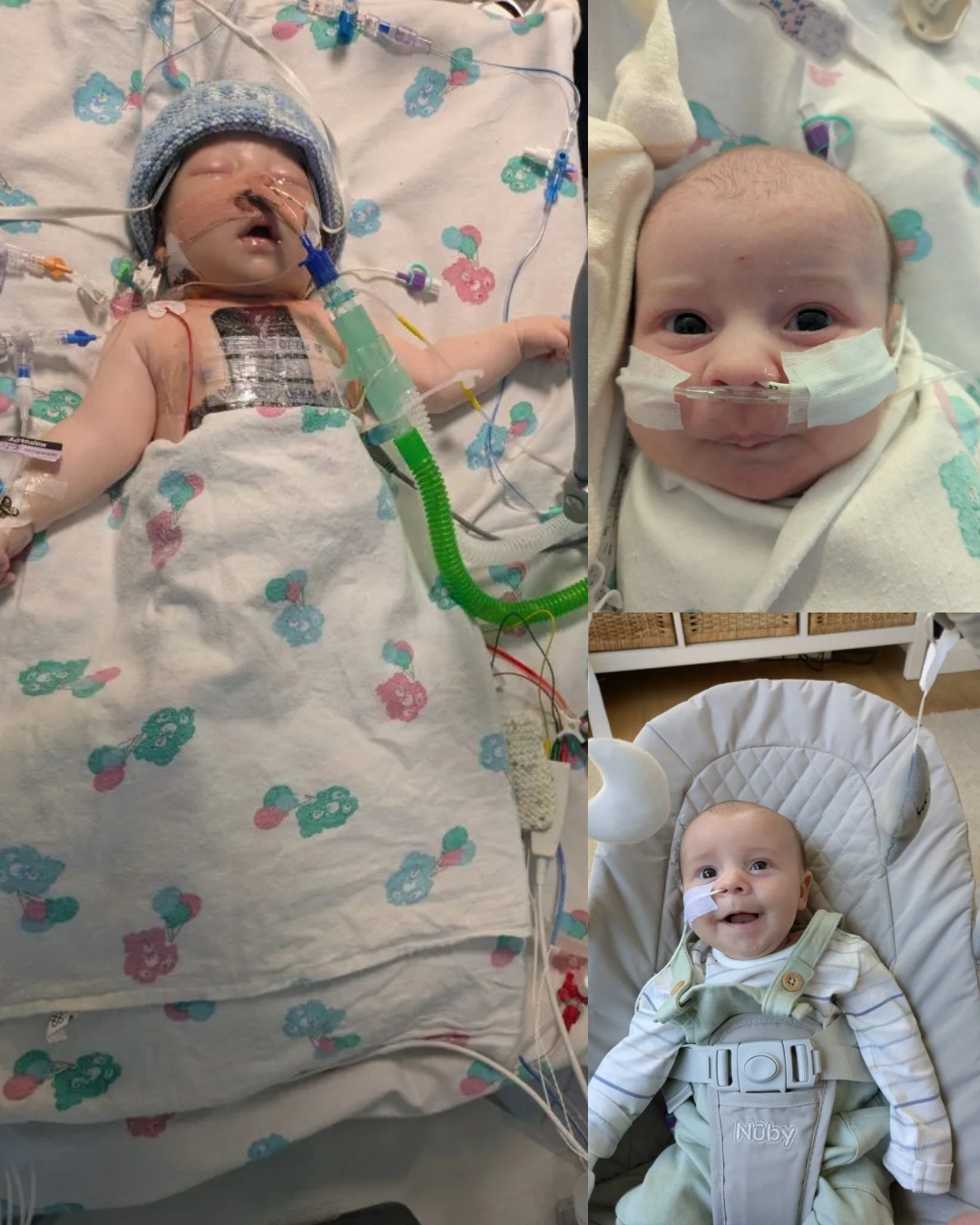
The Sudden Silence at 20 Weeks
The early weeks of Rebecca’s pregnancy followed the textbook narrative of quiet hope, culminating in the joy of the 12-week scan where excitement was finally unlocked. Purchases were made, family was notified, and the future began to take shape. The 20-week anatomy scan, therefore, was merely a formality—a thrilling chance to confirm the baby’s gender, with no room in their minds for the possibility of complications.
The excitement turned to apprehension when the sonographer paused. All the baby’s initial measurements were perfect, but the critical area, the heart, remained elusive. “She couldn’t get a good view,” was the first explanation. Rebecca was asked to shift positions repeatedly. Then came the dreaded request: “She was going to get someone else to help.”

The second sonographer’s focused gaze and murmured observation—“They look parallel,”—was cryptic, meaning nothing to Rebecca and her husband at the time, but clearly confirming a profound issue. Then came the revelation of the heart defect, and Rebecca’s world dissolved. In a moment of pure shock, the information that followed—that it was a boy—was hard to register, a sliver of happy news overshadowed by overwhelming dread.
The Diagnosis: Transposition of the Great Arteries (TGA)
The fetal medicine team arrived to deliver the diagnosis: their son had Transposition of the Great Arteries (TGA).
This is a severe condition where the two main arteries leaving the heart—the aorta and the pulmonary artery—are switched in position. In TGA, the aorta connects to the right ventricle (which pumps deoxygenated blood), and the pulmonary artery connects to the left ventricle (which pumps oxygenated blood). This results in two separate, parallel circulatory systems, preventing oxygenated blood from reaching the body.
The team confirmed the inevitable: Liam would require major heart surgery almost immediately after birth, necessitating delivery at a specialist hospital. However, a glimmer of light broke through the anxiety. When they asked about survival rates, they were told a remarkably reassuring figure:98%. This single statistic became the anchor holding their fear at bay, even as they began the difficult process of preparing for the fight ahead.
The Crucial Complications and the Anxious Wait
A follow-up scan with the cardiologist confirmed TGA and revealed a VSD (Ventricular Septal Defect)—a hole between the lower chambers of the heart. In TGA, this VSD was surprisingly beneficial, acting as a natural pathway to allow the mixing of oxygenated and deoxygenated blood, a temporary mechanism that kept Liam stable.
At 26 weeks, the specialist hospital scan revealed another concern: a narrowed aorta. This new finding raised alarm bells and prompted the recommendation for an amniocentesis to check for associated genetic conditions, particularlyDiGeorge syndrome—a condition often linked to complex heart defects. They agreed instantly, prioritizing knowledge to ensure Liam received the right, specialized care from the moment of birth.
The two-week wait for the amniocentesis results felt “like a lifetime,” consumed by frantic research and anxiety. The call confirming the negative result—Liam was clear of DiGeorge syndrome—brought a sense of immense, palpable relief.
The Birth and Immediate Crisis

By 29 weeks, a scan showed the narrowed aorta had thankfully grown, and Liam was cleared of further in utero complications. Rebecca chose a planned caesarean section, seeking control in a situation that had offered none. The day arrived in March, a potent mix of excitement, anxiety, and deep fear.
Liam was born at a healthy 7lbs 15oz, letting out a strong cry that offered a momentary, glorious illusion of normalcy. The moment was fleeting. He was immediately taken to an adjacent room for checks. When briefly brought to Rebecca, he was already wearing aCPAP mask—the first visible sign of the battle ahead—before being rushed to the Neonatal Intensive Care Unit (NICU).
Later that evening, the cardiologists confirmed their fears: Liam’s oxygen saturation levels were dangerously low at75%, and he was struggling profoundly to breathe. Immediate, emergency intervention was required: a balloon septostomy. This delicate procedure involves creating or enlarging the hole (VSD) between the heart’s upper chambers to force more oxygenated and deoxygenated blood to mix, buying time before the main surgical correction. This bedside procedure was completed within the hour, and though Liam was intubated upon their return, he was alert and seemingly settled.
The False Calm and the Rescheduled Date
Liam’s initial progress was so strong that they were given the extraordinary news: they might be allowed home for a brief respite before the definitive surgery. After two weeks of intensive care, the family experienced an incredible return to normalcy, navigating the fragile reality of caring for a heart warrior at home, monitored closely by community nurses who ensured his oxygen levels stayed above the critical 80% mark.
The original surgery date was set for April 3rd. They checked into the ward for pre-op, only to be told late that evening that an emergency had pulled the surgical team away. The operation was postponed to April 10th. The disappointment was profound, but they accepted the necessary delay and returned home, knowing this small extension of normal life was a gift.
The Corrective Surgery and the Hidden Four VSDs
The rescheduled day brought paralyzing anxiety. After final consultations with the surgeon and anesthetist, Liam’s father accompanied him to the operating room to help him drift off to sleep. The parents spent the grueling hours at a nearby shopping centre, unable to stray far, yet unable to remain still.
At 8 pm, the call came: the surgeon confirmed the operation had gone well. The relief was immense, but the surgeon added a startling complexity: instead of the one VSD found on the scans, Liam actually had four VSDs. Two were successfully repaired, and the other two were deemed small enough not to pose an immediate threat. To manage swelling and pressure after the complex Arterial Switch Operation (the definitive TGA repair), Liam’s chest was temporarily left open.
The sight of Liam post-surgery was “heart-wrenching”—small, pale, and tethered to a daunting array of tubes and monitors. Over the next few days, he began to claw back milestones. His chest was safely closed two days later, his medication tapered, and he began small feeds.
This brief period of progress was immediately complicated by chylothorax, a condition where lymph fluid leaks into the chest cavity, often associated with thoracic duct disruption during surgery. Liam’s milk had to be quickly changed and monitored, a regimen that thankfully resolved the complication.
The Return Home and the Unspoken Hope

Ten days after his life-saving surgery, Liam was back on the ward, thriving. He faced one final, brief setback—a return to PICU due to a paralyzed diaphragm, a known post-surgical risk—but required only low-level oxygen support.
Just three weeks after his incredible operation, the news they had longed for arrived: Liam could finally come home for good. His progress is miraculous, a testament to his sheer strength and the expert care he received.
Rebecca found immense comfort and guidance in reading the stories of other “heart parents” on platforms like Tiny Tickers. Now, sharing Liam’s journey is her way of paying that support forward, offering hope to others navigating the turbulent waters of congenital heart disease. The journey was harrowing, marked by fear, setbacks, and agonizing waits, but Liam’s spirit prevails.
The story ends with Liam thriving, but the life of a congenital heart patient is a continuous narrative, often requiring lifelong vigilance and monitoring. What are the subtle, everyday challenges that Rebecca and her family must now manage, and how will they instill a sense of normal, adventurous childhood in a boy who has already faced and overcome a life-threatening battle that few adults could endure?
